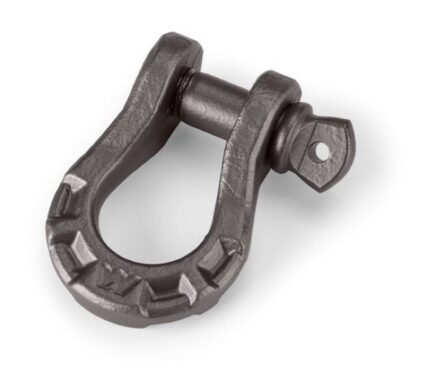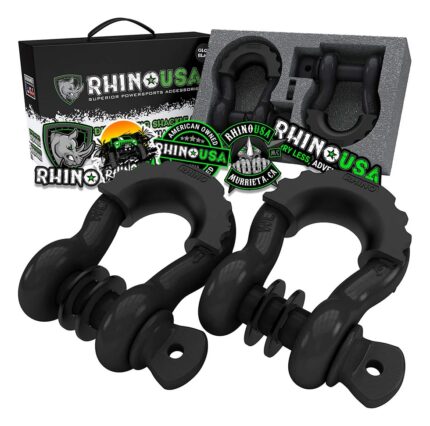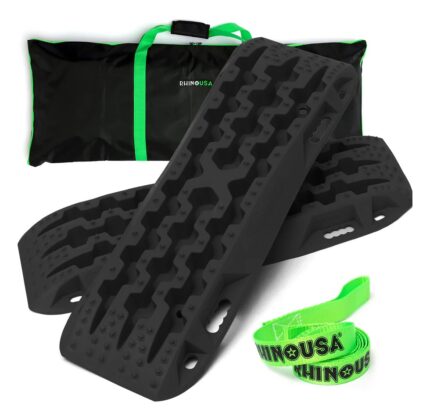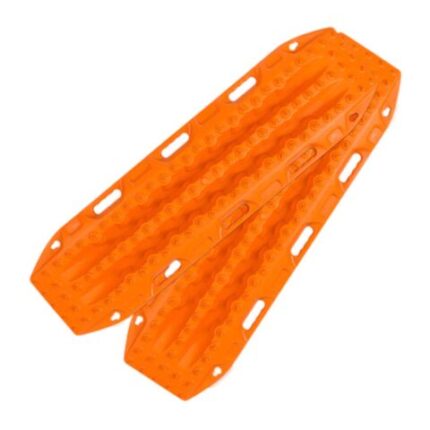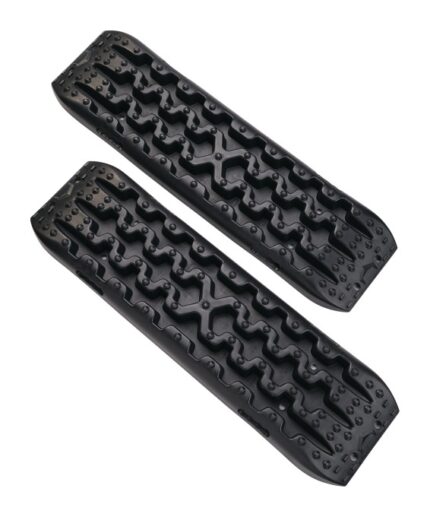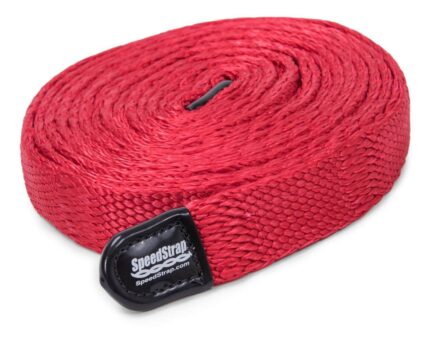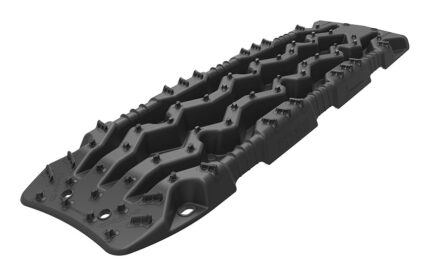
Transform your machine into an unstoppable off-road extraction asset and guarantee a safe return from the deepest mud bogs, loose sand dunes, and steep rock washouts with premium ATV and UTV recovery gear. Getting stuck is an inevitable part of pushing off-road boundaries, but relying on cheap, unrated tow straps or frayed steel cables can cause catastrophic structural frame damage or severe personal injury. At CG ATV & UTV Parts Shop, we provide professional-grade trail extraction equipment engineered to withstand massive kinetic loads and deliver smooth, controlled pulling power when you need it most.
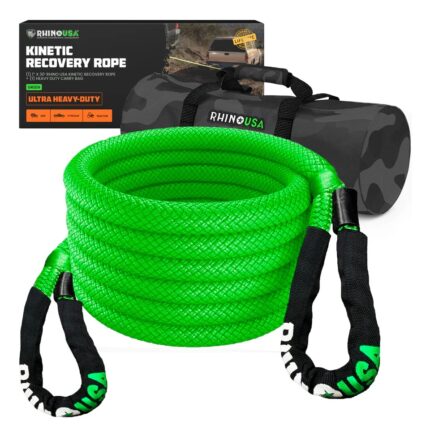
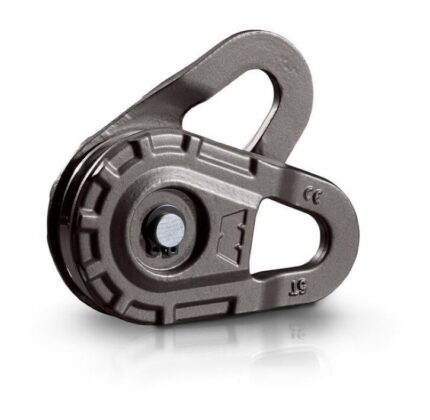
Our highly efficient domestic supply chain handles and picks our inventory with precision, providing immediate order verification and rapid daily shipping directly to your garage. We stock ultra-pliable synthetic winch lines with integrated heat guards, high-elasticity kinetic recovery ropes that utilize kinetic energy to pull stranded vehicles clear, lightweight UHMWPE soft shackles, and heavy-duty forged snatch blocks. Equip your rig with certified, field-tested extraction gear and confidently tackle any terrain.
Kinetic Physics vs. Static Pulling: Choosing Safe Extraction Methods
Utilizing proper ATV and UTV recovery gear hinges entirely on understanding the difference between static and kinetic mechanical forces. Traditional steel winch cables and non-stretch tow straps provide zero elasticity, functioning as a static line. When pulling a stuck vehicle with a static setup, any slack followed by sudden movement delivers an immense shock load spike directly to the chassis mount brackets, which can easily bend trailing linkages or shear off bumper bolts. Conversely, advanced kinetic energy recovery ropes feature a double-braided nylon core designed to stretch up to 30 percent of their length, safely absorbing structural tension before snapping back to transfer stored energy smoothly to the stranded machine.
Additionally, swapping out heavy, metal D-rings for lightweight Ultra-High-Molecular-Weight Polyethylene (UHMWPE) soft shackles dramatically decreases total mass during rigging operations. If a failure happens, a soft shackle minimizes deadly recoil whip energy, keeping both vehicles and trail side spectators perfectly protected.
Direct Live Inventory Sourcing Directory
Coordinate corresponding structural, drivetrain, and cabin upgrades directly from our available stock:
Engine Cooling Protection: Maintain stable engine temperatures on grueling trails with a rugged aluminum replacement radiator.
Oil Pan Maintenance Safety: Prevent oil pan leakage during technical crawls with a replacement magnetic engine drain plug.
Rigging Mechanics, Working Load Limits, & Trail Care Protocols
When engineering a multi-point winch configuration, always confirm that your rigging anchor points are rated for at least double the gross operational weight of your loaded utility machine. Utilize a heavy-duty snatch block pulley wheel to create a mechanical advantage, cutting the physical strain on your winch electric motor in half during deep suction mud extractions. Clean your synthetic lines and soft shackles regularly after trail runs by rinsing them out in a bucket of fresh water to remove embedded grit, which can act as internal sandpaper on the fibers over time. For professional engineering publications and structural test guidelines covering heavy-duty synthetic links and off-road extraction rigging, check out the resources compiled by the SAE International Off-Road Technical Rigging & Equipment Safety Committees.
Recovery FAQ
Synthetic winch line is significantly safer because it stores far less kinetic energy under load than steel. If it snaps, it drops harmlessly to the ground rather than whipping back violently. It is also significantly lighter, doesn't develop sharp burrs, and floats on water.
As a strict off-road rule of thumb, your kinetic recovery rope or winch line should feature a Minimum Breaking Strength (MBS) rated at 3 to 4 times the total gross weight of your vehicle, factoring in passengers, fuel, cargo, and aftermarket modifications.
No. Never loop a soft shackle over rough, sharp-edged metal tabs or raw stamped steel points, as the sharp metal edges can slice through the high-strength synthetic fibers under tension. Always ensure anchor points are completely smooth, rounded, and specifically engineered for shackle loading.
HEY YOU, SIGN UP AND CONNECT TO WOODMART!
Be the first to learn about our latest trends and get exclusive offers