

Blog
Polaris Oil Cooler Guide: Symptoms, Fitment, and How to Fix a Failing One

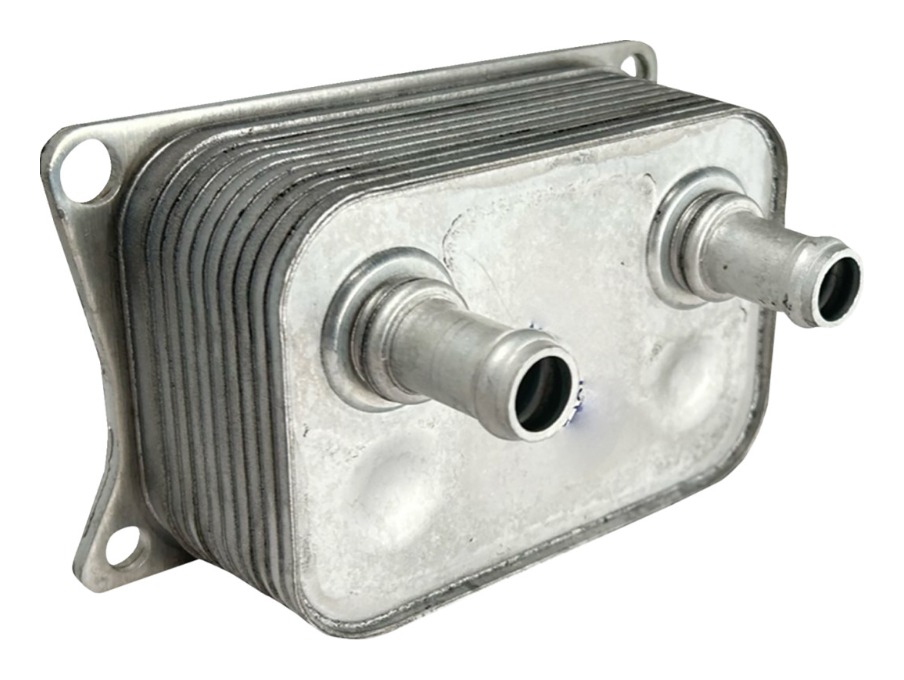
If your Polaris RZR, Ranger, Sportsman, or General has been running hot, showing oil in places it shouldn’t be, or you’re just trying to understand what that separate finned component near your radiator actually does, the oil cooler is very likely the part of the story you’re missing. It’s a small, easy-to-overlook component that plays an outsized role in protecting your engine from one of the most common — and most expensive — failure patterns across the entire Polaris off-road lineup: sustained high oil temperature leading to internal engine damage. Getting the diagnosis right before you spend money on a fix is the difference between resolving the problem permanently and finding yourself back in the same spot a few rides later.
This guide breaks down exactly what a Polaris oil cooler does, how it differs from (and works alongside) your radiator and coolant system, the specific symptoms that signal a failing or clogged unit, how fitment varies across RZR, Ranger, Sportsman, and General models, and a complete replacement and prevention overview. We’ll also address a genuinely important myth head-on: many owners assume adding or replacing an oil cooler alone will solve an overheating problem, and real-world owner accounts show that’s often not the case. Understanding why is central to diagnosing your machine correctly instead of throwing parts at a symptom. Along the way, we’ll walk through a documented safety recall directly tied to oil cooler lines, real diagnostic scenarios pulled from owner experience, and the exact bleed procedure that protects a fresh repair from the trapped-air problem that undermines so many well-intentioned fixes.
What a Polaris Oil Cooler Actually Does
A Polaris oil cooler is a dedicated heat exchanger designed to remove excess heat from engine oil before it recirculates through the engine. On most Polaris off-road models, engine oil doesn’t just lubricate internal components — it also carries away a meaningful share of the engine’s total heat load, working alongside (not instead of) the coolant system that manages the cylinder head and block. Under sustained hard use — deep sand, mud, towing, or extended high-RPM operation — oil temperature can climb high enough that the oil itself begins to break down chemically, losing viscosity and lubricating properties exactly when the engine needs them most. The oil cooler exists specifically to prevent that scenario.
Physically, the oil cooler is typically a finned, radiator-like unit — though considerably smaller than the main coolant radiator — mounted near the front of the machine to take advantage of airflow generated while riding. Oil is routed from the engine, through the cooler’s internal passages where airflow strips away heat, and back into the engine at a lower temperature than it left. On some models, this is a pure oil-to-air design; on others, particularly newer and higher-output engines, the oil cooler may be integrated more closely with the coolant system in an oil-to-coolant configuration, using engine coolant as the heat transfer medium instead of ambient air alone.
Why This Component Matters More Than Its Size Suggests
Given how small the oil cooler is relative to the rest of the cooling system, it’s easy for owners to overlook its importance — but the consequences of a failing or clogged oil cooler are disproportionately serious. Oil that runs consistently too hot loses its ability to maintain a protective film between moving engine parts, accelerating wear on bearings, cylinder walls, and valvetrain components. In more severe cases, sustained oil overheating contributes directly to the kind of piston and ring damage covered extensively in other engine-specific guides in this series — meaning the oil cooler, while inexpensive and easy to overlook, sits directly upstream of some of the most expensive repairs a Polaris owner can face, often for the cost of a part that fits in one hand.
Where the Oil Cooler Sits in the Broader Cooling Picture
It’s worth being precise about terminology here, since owners searching for oil cooler information are sometimes actually dealing with a radiator or coolant system issue, and vice versa. The radiator manages engine coolant temperature — protecting the cylinder head, block, and combustion-adjacent components. The oil cooler manages engine oil temperature specifically. These two systems often sit near each other physically, sometimes even sharing airflow paths or mounting locations, which is part of why owners frequently — and reasonably — conflate the two when diagnosing an overheating problem. Understanding the distinction is the first step toward an accurate diagnosis rather than a guess.
Which Engine Components Depend Most on Oil Cooling
Not every engine component is equally sensitive to oil temperature, and understanding which ones are most affected helps explain why oil cooler health matters so much on higher-output Polaris platforms specifically. Connecting rod bearings and crankshaft main bearings rely on a consistent, properly viscous oil film to prevent metal-to-metal contact under load — exactly the kind of protection that degrades first when oil runs too hot for too long. Valvetrain components, particularly on engines using a flat-tappet or similar high-friction-contact design, are similarly dependent on oil maintaining its protective additive package at operating temperature; oil that’s been pushed beyond its designed thermal range breaks down its additive chemistry faster, reducing that protection precisely when the engine is working hardest. CVT and clutch components, while not directly lubricated by engine oil in most Polaris designs, are affected indirectly: an engine running hot oil is often an engine under sustained heavy load, and that same load places parallel stress on the drivetrain, which is part of why oil cooler health and drivetrain longevity tend to correlate in owner experience even though the two systems aren’t directly connected. Turbochargers, where equipped, represent perhaps the most oil-temperature-sensitive component of all, since many turbo designs rely partly on engine oil for bearing lubrication and cooling within the turbo itself — a detail that makes oil cooler health especially consequential on turbocharged RZR models specifically.
The Historical Context: Why Polaris Added Oil Coolers to Higher-Output Models
As Polaris’s off-road engines have grown in displacement and output over successive model generations — moving from smaller, lower-stress ATV engines toward the 900cc, 1000cc, and turbocharged platforms that define the current RZR and Ranger flagship lineup — the thermal load placed on engine oil has grown correspondingly. A modest-output engine turning modest RPM under light loads can often manage oil temperature adequately through basic oil galley design and ambient airflow around the crankcase alone. A turbocharged 925cc engine producing over 180 horsepower and regularly operating at sustained high RPM under hard acceleration generates an entirely different thermal environment, one where a dedicated oil cooler isn’t an optional performance accessory but a genuine engineering necessity built into the platform from the factory, present from day one rather than added as an afterthought. This progression explains the pattern noted in the fitment section: oil coolers appear disproportionately on Polaris’s higher-output models specifically because those are the applications where the engineering case for one is strongest.
Oil Cooler vs. Radiator: Understanding the Difference
Because these two components are so often confused, it’s worth a dedicated section walking through exactly how they differ and how they interact.
The Radiator’s Job
The radiator is the primary heat exchanger for your engine’s coolant system, managing the temperature of the liquid coolant that circulates through passages in the cylinder head and engine block. This system is what the temperature gauge on your dashboard is typically measuring, and it’s protected by the thermostat, coolant pump, radiator cap, and overflow bottle working together to maintain a target operating temperature range.
The Oil Cooler’s Job
The oil cooler, by contrast, manages the temperature of the engine’s lubricating oil specifically — a separate fluid circuit with its own temperature behavior, sometimes running hotter or cooler than coolant temperature depending on load, RPM, and how hard the engine is working at any given moment. Not every Polaris model uses a dedicated oil cooler; some smaller-displacement or lower-output engines rely on oil galley design and crankcase airflow alone to manage oil temperature, while higher-output and performance-oriented models — RZR Turbo variants, larger-displacement Rangers, and performance ATVs — are considerably more likely to include a dedicated oil cooler given the additional heat their engines generate under load.
Why Both Systems Can Fail Independently — Or Together
A machine can experience a coolant-side overheating problem with a perfectly healthy oil cooler, an oil-temperature problem with a perfectly healthy radiator, or — in the more serious and more commonly reported scenario — a failure in one system that cascades into stressing the other. This is precisely the pattern described in real owner accounts of persistent overheating: a rider troubleshoots the radiator, thermostat, water pump, and fan extensively, rules each out individually, and the underlying problem turns out to involve the oil side of the cooling equation instead — or a combination of factors that no single component swap resolves in isolation.
A Practical Diagnostic Takeaway
Given this overlap, an accurate diagnosis on a Polaris machine showing overheating symptoms requires evaluating both systems rather than assuming the problem lives in one or the other based on gut instinct alone. This is exactly why the “myth” section later in this guide matters so much: owners who add or replace an oil cooler expecting it to single-handedly resolve a coolant-side overheating problem are often disappointed, not because the oil cooler was the wrong purchase, but because it was never the actual root cause of their specific symptom. Approaching diagnosis with this dual-system awareness from the outset — rather than fixating on whichever component happens to be easiest to access or cheapest to replace — is what separates an efficient, cost-effective repair from a frustrating, expensive process of elimination conducted one part at a time.
Full Oil Cooler and Cooling System Specifications
Because oil cooler design and fitment vary considerably across the Polaris lineup, the table below reflects general specifications and considerations rather than a single universal figure — always confirm exact part numbers against your specific model and year.
| Specification | Detail |
|---|---|
| Oil cooler type | Oil-to-air (most models) or oil-to-coolant (select high-output/performance models) |
| Mounting location | Typically front-mounted, near or adjacent to the main radiator |
| Common failure modes | Clogging (debris/mud), line leaks, fitting corrosion, physical impact damage |
| Recommended coolant type | Polaris Antifreeze 50/50 Premix (do not dilute with water) |
| Oil cooler line material | Rubber or reinforced hose with barbed or threaded fittings, model-dependent |
| Additional oil capacity from cooler/lines | Commonly a few ounces beyond the base engine oil capacity, depending on cooler size |
| Typical inspection interval | Every ride in muddy/dusty conditions; full inspection at each oil change |
| Associated warning system | Dashboard oil temperature or coolant temperature warning light/gauge, model-dependent |
A note on model-specific specifications: Because the Polaris lineup spans dozens of distinct engine platforms — from the Sportsman ATV line through RZR, Ranger, and General side-by-sides — exact oil cooler part numbers, mounting hardware, and hose routing differ meaningfully between models and even between trim levels within the same model year. Always cross-reference your specific VIN or model/year combination against Polaris’s official parts catalog before ordering a replacement.
Which Polaris Models Use an Oil Cooler
Oil cooler presence and design vary across the Polaris lineup based primarily on engine output and intended use case. Based on Polaris parts catalog listings and aftermarket compatibility data, dedicated oil coolers are commonly found across the higher-output segment of nearly every major Polaris off-road category — a pattern that reflects a genuine engineering decision rather than a random equipment split between trims. Understanding this pattern helps set expectations before you even start searching for a specific part number: if your machine is a base-trim, smaller-displacement model, don’t be surprised if a dedicated oil cooler simply isn’t part of its factory equipment list at all.
| Vehicle Line | Typical Application |
|---|---|
| RZR Turbo / Turbo S / Turbo R | High-output turbocharged engines with elevated cooling demands |
| RZR XP 1000 / Pro XP | Higher-output naturally aspirated performance engines |
| Ranger XP 1000 / Crew XP 1000 | Higher-output utility applications, often paired with towing use |
| Ranger 900 / Crew 900 | Mid-to-large displacement utility engines |
| Sportsman 850 / 1000 | Larger-displacement ATV engines |
| General 1000 / XP 1000 | Performance-oriented utility side-by-sides |
Lower-output, smaller-displacement models across each of these lines (entry-level Sportsman ATVs, base Ranger 500/570 trims, for example) may not include a dedicated oil cooler at all, relying instead on standard oil galley design and airflow to manage oil temperature adequately given their lower power output and typically lighter-duty use case. This is precisely why “does my Polaris have an oil cooler” is worth confirming against your specific model before assuming a symptom is oil-cooler-related.
Why the DIY Aftermarket Oil Cooler Community Is So Active on Turbo Models
RZR Turbo owners in particular have built an active DIY community around adding or upgrading oil coolers, largely in response to documented heat-soak issues under sustained hard riding — deep dune running, extended pulls, or aggressive tuning changes that increase cylinder pressure and heat generation. Multiple owner accounts describe successfully running several hundred miles with a self-installed external oil cooler addition, while others caution — importantly — that an oil cooler addition alone did not resolve their underlying overheating issue, reinforcing the diagnostic point made throughout this guide: the oil cooler is one piece of a larger cooling system puzzle, not a standalone fix.
How Heater Core Installations Intersect With Oil Cooler Lines
Owners in colder climates who add an aftermarket cab heater to their Ranger or RZR — a common accessory upgrade for cold-weather riding — frequently need to tap into existing coolant lines to source hot coolant for the heater core. Because the oil cooler’s coolant-side connections (on oil-to-coolant configurations) sit in a convenient, accessible location, some heater installation guides specifically describe splicing into the oil cooler supply line as a practical connection point. This is worth understanding for two reasons: first, if you’ve had an aftermarket heater installed, any oil cooler-related symptom should prompt a check of that heater installation’s connections and fittings as a possible contributing factor; second, it illustrates just how interconnected these plumbing systems are on Polaris platforms, reinforcing why isolated troubleshooting of a single component in isolation so often misses the actual cause of a symptom.
A Practical Note for Owners With Aftermarket Heater Installations
If your machine has an aftermarket heater tapped into oil cooler-adjacent coolant lines, and you’re troubleshooting either an oil cooler symptom or an overheating complaint, specifically inspect the heater’s tap-in fittings and any bypass valves as part of your diagnostic process. A loose fitting or an incorrectly plumbed bypass at this connection point can create symptoms that look identical to a failing oil cooler or a broader cooling system problem, when the actual issue is isolated to the aftermarket addition itself.
Signs Your Polaris Oil Cooler Is Failing
Visible Oil Leaks Around Cooler Lines or Fittings
Oil seepage or active leaking specifically around the oil cooler lines, fittings, or the cooler unit itself is one of the more straightforward symptoms to diagnose, since it’s typically visible on inspection rather than requiring instrumentation. Independent troubleshooting resources specifically flag checking for oil leaks around the valve cover, crankcase, and oil cooler lines as a standard diagnostic step when investigating oil consumption or leak complaints on Polaris platforms.
Elevated Oil Temperature Readings or Warning Lights
On models equipped with an oil temperature gauge or warning light, a reading that climbs higher than normal under load — particularly if it climbs faster than usual or fails to come back down during idle or low-speed operation — can point toward reduced oil cooler efficiency, whether from internal clogging, external debris blockage, or airflow restriction.
Overheating That Persists Despite a Healthy Coolant System
As detailed in the oil cooler vs. radiator section above, a machine that continues to run hot despite a clean radiator, functioning thermostat, verified water pump operation, and properly bled cooling system is a strong candidate for an oil-side contributing factor — worth investigating the oil cooler and its lines specifically rather than continuing to chase coolant-side components that have already tested normal.
Discolored or Degraded Oil at Change Intervals
Oil that appears unusually dark, thin, or burnt-smelling at a normal change interval — more so than you’d expect given your riding conditions — can indicate the oil has been running hotter than it should, consistent with reduced oil cooler effectiveness. This is a softer, less definitive signal than a visible leak or a direct temperature reading, but worth noting as a contributing data point.
Physical Damage to the Cooler or Lines
Given the oil cooler’s typically front-mounted, exposed position, physical damage from rocks, debris, or impacts is a realistic failure mode, particularly for owners riding technical or rocky terrain. A bent, dented, or visibly damaged cooler — even without an active leak yet — is worth proactive inspection and likely replacement before it progresses to a failure on the trail.
Reduced Power or Limp Mode Activation
On models equipped with electronic engine management that monitors coolant or oil temperature, sustained elevated readings can trigger a protective limp mode — a sudden, noticeable loss of power intended to prevent further engine damage while the machine cools down. Independent troubleshooting resources note that a sudden loss of power is often the first symptom owners actually notice during an overheating event, sometimes before they’ve registered the temperature gauge climbing at all, making this a genuinely important symptom to recognize even though it doesn’t point specifically to the oil cooler versus other cooling system components on its own.
Building a Diagnostic Hierarchy From These Symptoms
Given that several of these symptoms can stem from either coolant-side or oil-side causes, it helps to think of them as a hierarchy rather than isolated data points. A visible oil leak at the cooler lines is the most direct, unambiguous signal pointing specifically to the oil cooler. An oil temperature reading elevated on its own gauge, where equipped, is the next most direct signal. Overheating that persists despite a confirmed-healthy coolant system is a reasonable, though less direct, signal worth investigating on the oil side. And general symptoms like reduced power or limp mode activation are the least specific — genuinely useful as an alert that something is wrong, but requiring further investigation to determine whether the oil cooler, the radiator, or another component entirely is the actual source. Working through this hierarchy, from most to least direct, is a more efficient diagnostic approach than jumping straight to a parts purchase based on the vaguest available symptom.
Real Owner Scenarios: Matching This Guide to Your Situation
Scenario 1: “My Machine Keeps Overheating and I’ve Already Checked the Radiator”
If you’ve cleaned the radiator, verified the thermostat and water pump, and properly bled the cooling system without resolving the issue, it’s time to shift diagnostic attention to the oil side of the equation. Inspect the oil cooler and its lines for leaks, damage, or blockage, and consider whether oil temperature — not just coolant temperature — could be contributing to what you’re experiencing, especially under sustained load or extended high-RPM riding.
Scenario 2: “I Notice Oil Around My Oil Cooler Lines”
This is a straightforward symptom worth addressing promptly rather than monitoring indefinitely. Inspect the specific fittings and hose connections for the source of the leak, and check whether it’s a loose fitting (a simpler, cheaper fix) or a genuinely failed line or cooler unit requiring replacement. Given that oil loss compounds engine wear over time even before it becomes severe enough to trigger a low-oil warning, addressing a confirmed leak promptly protects the broader engine.
Scenario 3: “I Have a RZR Turbo and Want to Add an Oil Cooler for Heat Soak”
You’re in good company — this is one of the more actively discussed DIY projects in the RZR Turbo owner community. Before committing to an oil cooler addition as your primary fix, review the myth section of this guide carefully: multiple owner accounts report that an oil cooler alone didn’t resolve their overheating issue, and that addressing tune, timing, and coolant-side factors first (or alongside the oil cooler addition) produced better results than the oil cooler in isolation.
Scenario 4: “I’m Buying a Used Polaris and Want to Check the Oil Cooler”
Inspect the oil cooler and its lines directly for leaks, corrosion, or physical damage as part of your pre-purchase inspection, and ask the seller about any overheating history. Given how oil cooler condition connects to broader engine health on this platform, a well-maintained cooler with clean lines is a reasonable positive signal, while visible damage or a seller who can’t speak to cooling system maintenance history warrants closer scrutiny of the engine overall.
Scenario 5: “I Ride in Mud, Sand, or Dusty Conditions Regularly”
You’re in a higher-risk category for oil cooler blockage from external debris, similar to the radiator clogging patterns documented across other Polaris platforms. Build oil cooler inspection into the same after-every-ride routine you’d use for radiator maintenance, checking for caked mud or debris restricting airflow through the cooler’s fins.
The Oil Cooler Myth: Why It Won’t Fix Overheating Alone
This section deserves direct, honest treatment, because it’s one of the most consequential misunderstandings owners bring to this topic — and getting it wrong costs real money on parts that don’t solve the actual problem.
The Myth, Stated Plainly
A common assumption among owners troubleshooting an overheating Polaris — particularly RZR Turbo owners chasing heat soak under hard riding — is that adding or upgrading the oil cooler will resolve the issue on its own. Real-world forum accounts directly contradict this assumption: multiple owners report installing an oil cooler specifically to address overheating, only to find the core problem persisted, with one owner explicitly noting that a cooler addition “didn’t fix mine” and that Polaris left several separate weak points in the cooling system design that needed to be addressed individually, one at a time, rather than resolved by any single upgrade.
Why This Happens: Overheating Is Usually Multi-Factorial
Overheating on Polaris performance platforms — especially turbocharged and heavily tuned machines — is rarely traceable to a single component. Common contributing factors documented across owner troubleshooting threads include: air trapped in the cylinder head after a coolant service, tuning and ignition timing that generates excess heat under boost, radiator or intercooler airflow restriction, fan activation timing, and yes, oil cooling capacity — but as one component among several, not a single point of failure. A machine suffering from trapped air in the cooling system, for example, will continue overheating regardless of how effective the oil cooler is, since the air pocket itself is preventing proper coolant circulation entirely independent of the oil circuit.
What This Means for Your Diagnostic Approach
Before purchasing an oil cooler as a fix for overheating, work through the fuller diagnostic checklist: confirm the radiator is clean and unobstructed, verify the thermostat opens correctly, confirm the water pump and impeller are functioning, properly bleed the cooling system (including checking for trapped air specifically, a documented and commonly overlooked culprit), and review recent tuning or ECU changes that might be generating additional heat. Only after ruling out these more fundamental coolant-side factors does adding or upgrading oil cooling capacity become a well-targeted intervention rather than a hopeful guess.
When an Oil Cooler Upgrade Genuinely Does Help
None of this means oil cooler upgrades are never useful — for machines with genuinely elevated power output (tuned turbo builds, aftermarket boost increases) where oil temperature specifically is confirmed to be running high via direct measurement, an oil cooler addition or upgrade is a legitimate, targeted fix. The key word is “confirmed” — measuring actual oil temperature, rather than assuming based on a general overheating symptom, is what separates an effective oil cooler upgrade from a well-intentioned but ultimately ineffective purchase.
A Closer Look at the Forum Evidence
The documented owner experience on this topic is worth examining in a bit more detail, since it illustrates the diagnostic principle so clearly. One RZR Turbo owner, dealing with overheating after an aftermarket power upgrade, described pursuing an oil cooler installation specifically because they’d read about others attempting the same fix — but was directly cautioned by more experienced forum members that “an oil cooler will not solve your overheating problem alone,” with the tuning setup flagged as the more likely primary cause given that increased boost and ignition timing directly increase cylinder temperatures independent of oil cooling capacity. In a separate, extensively documented case, an owner methodically ruled out nearly every plausible coolant-side cause — radiator cleanliness, water pump function, thermostat operation, even removing the thermostat entirely — before beginning to consider an oil cooler addition, only for other forum participants to note that if oil temperature alone were driving the overheating, something more fundamental would likely be wrong with the engine’s oil system, pointing the diagnosis back toward coolant-side and tuning-side factors instead.
The ECU Tuning Connection
A recurring thread across these owner accounts is the role of engine tuning — specifically ignition timing and fuel mapping — in generating heat that no amount of cooling capacity can fully offset if the underlying tune is pushing the engine too hard for the cooling system it’s paired with. As one forum contributor put it directly: too much ignition advance creates heat that the cooling system may not be able to dissipate, regardless of how well every individual cooling component is functioning. This is a particularly important consideration for owners who’ve added aftermarket tuning devices, exhaust modifications, or boost increases to a turbocharged Polaris platform — in these cases, revisiting the tune itself, not just upgrading cooling hardware, is often the more effective and more targeted fix.
A Documented Recall Tied to Oil Cooler Lines and Overheating
Owners researching oil cooler issues on the Polaris platform should be aware of a specific, documented safety recall directly relevant to this topic. A recall affecting certain 2016 Polaris RZR Turbo units identified that affected vehicles could develop an oil leak due to an oil drain tube fastener becoming loose, or due to the engine overheating — a combination that could allow engine oil to contact hot surfaces, creating a fire risk. The corrective action involved dealers replacing the oil drain tube assembly and updating the Engine Control Unit (ECU) with new parameters specifically intended to prevent the engine from overheating.
Why This Recall Matters for Every Owner Researching This Topic
This recall is a useful, concrete illustration of exactly the interconnection this guide has emphasized throughout: an oil-side issue (a loosening fastener) and a cooling-side issue (overheating) combining to create a risk that neither factor alone would fully explain. It also underscores a practical point for anyone buying a used RZR Turbo from the affected model year: confirming recall work has been completed is a meaningful, VIN-checkable step that directly relates to oil cooler and oil line integrity, not just a generic “check for recalls” formality.
What the Recall Reveals About Polaris’s Own Engineering Response
It’s worth reading this recall’s corrective action closely, because it reflects exactly the diagnostic principle this guide has argued for throughout: Polaris’s fix wasn’t a single-component swap. The correction paired a physical hardware fix (replacing the oil drain tube assembly to address the loosening fastener) with a software fix (updating the ECU with new parameters specifically intended to prevent the engine from overheating). In other words, even the manufacturer’s own engineering response to this issue treated it as a combined oil-and-cooling-system problem requiring intervention on both fronts — not a case where fixing the oil-side hardware alone was considered sufficient to eliminate the underlying risk. This is a genuinely instructive data point for any owner tempted to treat their own overheating or oil leak symptom as a single-part fix without considering whether a tuning or ECU-level factor might also be contributing, and it’s worth remembering the next time a single-part solution seems like the fastest path back to riding.
Interim Guidance Given to Affected Owners
Notably, the interim guidance issued to owners of affected vehicles before the recall repair was completed was direct and conservative: owners were advised not to drive their vehicle at all until the corrective work was performed, given the combined oil-leak-plus-overheating fire risk involved. This level of caution reflects how seriously Polaris treated the combined failure mode once it was identified — a useful reminder for any current owner noticing both an oil leak and an overheating symptom simultaneously that this specific combination has historical precedent as a genuine safety concern, not merely an inconvenience, and warrants prompt professional attention rather than continued riding while monitoring the situation. Owners who notice this specific symptom pairing on any Polaris model, not just the specific recalled year and trim, would be well served by applying the same conservative standard until a qualified technician has ruled out a comparable underlying cause.
Checking Your Specific VIN
Before assuming any oil cooler or oil line symptom on an affected model year is a simple wear-and-tear issue, checking your VIN against the National Highway Traffic Safety Administration’s recall database — or the equivalent Transport Canada database for Canadian owners — costs nothing and directly confirms whether a known, manufacturer-acknowledged fix applies to your specific machine.
OEM vs. Aftermarket Oil Coolers: What to Buy
Genuine Polaris OEM Oil Coolers
Genuine Polaris oil cooler assemblies guarantee exact fitment for your specific model and are the safer choice when warranty status matters or when you want to avoid any fitment guesswork. Polaris’s parts catalog lists model-specific oil cooler assemblies for platforms including the Sportsman and Ranger lines, each engineered to the exact mounting points, hose routing, and capacity requirements of that specific application, down to the individual fitting thread pitch.
Aftermarket and Universal-Fit Oil Coolers
A range of aftermarket suppliers offer oil coolers designed to fit specific Polaris model ranges — commonly listing broad compatibility across multiple RZR, Ranger, and ACE model years and trims that share a common mounting configuration. These aftermarket options are frequently used both for straightforward OEM-equivalent replacement and for performance-oriented upgrades where an owner wants increased cooling capacity beyond stock, particularly relevant for tuned or turbocharged builds where the factory cooler was never designed to handle the additional heat load.
What to Verify Before Ordering
- Confirm exact model, year, and trim compatibility against the listing’s fitment chart rather than assuming based on a similar-looking part photo.
- Confirm whether the kit includes lines, fittings, and mounting hardware, or whether these need to be sourced separately or reused from your original setup.
- Consider capacity if you’re upgrading rather than replacing like-for-like — a larger aftermarket cooler adds cooling capacity but also adds oil volume to the system, which some owners have noted specifically when calculating total oil capacity after an aftermarket installation.
- Check whether the kit is designed for oil-to-air or oil-to-coolant configuration, since these aren’t interchangeable without additional plumbing changes.
- Read reviews specific to your exact model application rather than a manufacturer’s general star rating, since fitment quality and included hardware completeness can vary meaningfully between different vehicle applications from the same supplier, even under the same product line name.
Tools Needed for a DIY Oil Cooler Replacement
- A complete metric socket and wrench set, since Polaris off-road vehicles use metric hardware throughout.
- Hose clamp pliers, for removing and reinstalling the spring-style or screw-style clamps commonly used on oil cooler lines.
- A drain pan, positioned beneath the work area to catch oil and coolant that may escape during disconnection.
- A service manual specific to your exact model and year, since oil cooler mounting location, line routing, and torque specifications vary meaningfully across the Polaris lineup.
- A funnel and appropriate replacement oil, since disconnecting oil cooler lines will drain a portion of the system’s oil that needs to be replenished.
- Fresh hose clamps, since reusing old, potentially fatigued clamps on a component you’re already replacing is a false economy.
Step-by-Step Oil Cooler Replacement Overview
This overview covers the general sequence for an oil cooler replacement. Always follow your specific model’s official Polaris service manual for exact procedures, since front-end panel removal, exact line routing, and torque specifications vary across the lineup.
- Allow the engine to fully cool before beginning any work, since both oil and coolant lines can cause serious burns if handled hot.
- Remove any bodywork or panels needed to access the front-mounted oil cooler per your specific model’s service manual.
- Position a drain pan beneath the oil cooler and lines before disconnecting anything.
- Disconnect the oil lines from the cooler using hose clamp pliers, noting or labeling which line connects where to avoid confusion during reassembly.
- Remove the mounting hardware securing the oil cooler to the chassis.
- Remove the old oil cooler, inspecting the mounting area for any debris or damage that should be addressed before installing the replacement.
- Install the new oil cooler, securing it with the mounting hardware per factory torque specifications.
- Reconnect the oil lines using fresh hose clamps, double-checking correct line routing against your notes or the service manual.
- Refill engine oil to the correct level, accounting for the small amount of additional capacity the cooler and lines add to the system.
- Start the engine and check for leaks at every connection point before considering the job complete.
- Take a short test ride, then recheck oil level and inspect all connections again once the engine has gone through a full heat cycle.
A Note on Working Near the Radiator
Because the oil cooler is commonly mounted near or adjacent to the main radiator, it’s worth taking the opportunity during this service to inspect and clean the radiator itself, given how frequently these two components’ maintenance needs overlap in practice — a clogged radiator and a clogged oil cooler often result from the same riding conditions and debris exposure.
Labor Time Expectations
For an owner comfortable with basic mechanical work, a straightforward oil cooler replacement — without complications like corroded fittings or difficult-to-access mounting hardware — typically takes an hour or two for a first attempt, factoring in the time needed to drain and refill fluids properly and perform a thorough leak check afterward. If the job also involves a full coolant system bleed (relevant for oil-to-coolant style coolers, or any time coolant lines were disturbed), plan for additional time given the documented tendency for trapped air to require repeated bleeding attempts.
DIY vs. Professional Installation: A Practical Comparison
| Factor | DIY Installation | Professional Shop Installation |
|---|---|---|
| Upfront cost | Parts only | Parts plus labor |
| Time investment | An hour or two for a straightforward swap | Typically faster, reflecting technician familiarity |
| Diagnostic depth | Dependent on the owner’s own willingness to rule out coolant-side causes first | Often includes a more complete cooling system assessment as standard practice |
| Risk of misdiagnosis | Higher, given how easy it is to assume the oil cooler is the root cause without full diagnostics | Lower, assuming a shop experienced with Polaris cooling system troubleshooting |
| Best suited for | Owners confident in cooling system diagnostics, comfortable with basic hand tools | Owners with persistent, hard-to-diagnose overheating who want a full systematic evaluation |
Given how central the “oil cooler myth” covered earlier in this guide is to getting this repair right, many owners reasonably choose professional diagnosis specifically for persistent or recurring overheating complaints — reserving DIY work for straightforward, already-diagnosed oil cooler line leaks or damage where the root cause is clearly isolated and confirmed.
Bleeding the Cooling System After Oil Cooler Service
If your oil cooler service involved disturbing any coolant lines — relevant specifically for oil-to-coolant style coolers — properly bleeding the cooling system afterward is essential, since trapped air is a documented, independently confirmed cause of persistent overheating on Polaris platforms regardless of oil cooler condition.
- Raise the front of the machine slightly, using a hill or lift, to help trapped air rise toward the radiator cap or bleed point.
- Confirm the engine is cold before beginning.
- Slowly fill the coolant system, watching for air bubbles escaping from the fill point.
- Use a pressure bleeder if available — several owner accounts specifically recommend this tool for more thoroughly removing trapped air than a standard gravity fill achieves.
- Start the engine and let it idle, watching the temperature gauge closely, then take a short test ride and recheck coolant level once the system has cycled through a full heat cycle.
- Repeat the bleed process if temperature behavior remains abnormal, since some owner accounts describe needing to bleed the system multiple times before fully resolving trapped air.
Common Mistakes That Cause a Repeat Oil Cooler Failure
Assuming the Oil Cooler Is the Sole Cause of Overheating
As covered extensively in the myth section above, treating oil cooler replacement as a standalone fix for a broader overheating problem is the single most common and most costly mistake owners make on this topic. Skipping a full coolant-side diagnostic — radiator condition, thermostat function, water pump operation, trapped air — before assuming the oil cooler is the culprit wastes money on a part that may not address the actual root cause.
Reusing Old, Fatigued Hose Clamps
Reinstalling old hose clamps on fresh oil cooler lines, rather than using new clamps, risks a leak developing shortly after a repair that should have resolved the issue — a false economy given how inexpensive replacement clamps are relative to the labor already invested in the job.
Ignoring Radiator Condition During Oil Cooler Service
Given how frequently these two components share mounting proximity and exposure to the same debris, servicing the oil cooler without also inspecting and cleaning the nearby radiator misses an opportunity to address both components’ maintenance needs in a single service session.
Not Verifying Correct Line Routing on Reassembly
Given multiple similar-looking hose connections on some models, reconnecting oil cooler lines incorrectly — reversing supply and return, for example — can compromise cooling effectiveness even without an active leak. Labeling lines during disassembly, or photographing the setup before disconnecting anything, prevents this easily avoidable mistake.
Skipping the Post-Repair Test Ride and Recheck
Completing an oil cooler replacement without a genuine test ride and follow-up inspection misses the opportunity to catch a slow leak or an incomplete air bleed before it becomes a bigger problem on a longer ride away from a service area.
Overlooking a Recent Tune or Modification as a Contributing Factor
Given the ECU tuning connection detailed in the myth section above, an owner troubleshooting a new overheating or oil temperature complaint who’s also recently added a performance tune, boost increase, or exhaust modification should treat that change as a genuine suspect, not an afterthought. Reverting to a known-good tune temporarily, as part of the diagnostic process, can help isolate whether the modification itself is generating heat the cooling system wasn’t originally engineered to handle.
Assuming a Symptom-Free Cold Start Means the Cooling System Is Fully Healthy
Many of the failure patterns discussed throughout this guide — trapped air, marginal oil cooler efficiency, a slowly developing leak — don’t produce obvious symptoms during a short, cold, low-load test. An engine that starts and idles perfectly in a driveway can still overheat predictably after twenty or thirty minutes of sustained hard riding, exactly the pattern described in several of the forum accounts referenced throughout this guide. A genuine test ride under real load and duration, not just a driveway check, is necessary to confirm a repair has actually resolved the underlying issue.
Preventing Oil Cooler and Overheating Problems Going Forward
Radiator and Oil Cooler Cleaning as a Combined Habit
Given how frequently these two components share exposure to the same mud, sand, and debris, treating radiator and oil cooler cleaning as a single combined habit — rather than two separate maintenance tasks — is both more efficient and more likely to actually happen consistently. A garden hose rinse of both components after any ride through wet, muddy, or dusty terrain addresses the most common cause of both radiator and oil cooler restriction.
Proper Coolant System Bleeding After Any Service
Given how directly trapped air connects to persistent overheating independent of oil cooler condition, always perform a thorough bleed procedure after any coolant system service, and don’t assume a single bleed attempt has fully cleared the system — several documented owner accounts required repeated bleeding before fully resolving air-related overheating symptoms.
Monitor Oil Condition and Change Intervals Consistently
Regular oil changes at the manufacturer-recommended interval, using Polaris-recommended lubricants engineered specifically for these platforms, protect both the engine and the oil cooler itself from the accelerated wear that comes with running degraded, overheated oil for extended periods of continued use.
Address Any Overheating Event Promptly
If the temperature gauge climbs, a warning light activates, or you notice steam or a coolant smell, stop riding immediately rather than continuing and hoping the situation resolves on its own. Prompt response limits the scope of any resulting damage, whether the root cause turns out to be coolant-side, oil-side, or a combination of factors.
Consider Oil Temperature Monitoring for Performance Builds
Owners running tuned, turbocharged, or otherwise modified Polaris engines — where oil temperature is more likely to become a genuine limiting factor rather than a theoretical concern — benefit from installing a dedicated oil temperature gauge if their model doesn’t already include one from the factory. Direct measurement removes the guesswork this entire guide has warned against: rather than assuming oil temperature is or isn’t a contributing factor based on general symptoms, a dedicated gauge tells you definitively whether oil cooling capacity is keeping pace with your specific build’s heat generation under real riding conditions, giving you actual numbers to act on rather than a hunch.
Building These Habits Into a Routine
None of these prevention steps require significant expense or specialized skill — they require consistency. Owners who build radiator and oil cooler inspection, thorough coolant bleeding, and honest evaluation of any tuning changes into a genuine routine are addressing this platform’s most consequential cooling-related risks directly, rather than reacting only after a symptom has already progressed into a more serious and more expensive problem to diagnose and repair.
Cost Breakdown: Oil Cooler Replacement vs. Related Repairs
| Repair Scope | Typical Cost Range | Best For |
|---|---|---|
| Oil cooler line/fitting repair only | Lowest cost option | Isolated leak at a fitting, cooler itself undamaged |
| Complete OEM oil cooler replacement | Mid-range | Damaged, clogged internally, or failed cooler unit |
| Aftermarket performance oil cooler upgrade | Mid-to-higher range, varies by capacity | Confirmed elevated oil temperature on tuned/turbo builds |
| Full cooling system service (radiator + oil cooler + bleed) | Higher than oil cooler alone | Persistent overheating with multiple contributing factors |
| Engine repair from prolonged oil overheating damage | Highest cost | Cases where oil temperature issues went unaddressed and caused internal wear |
The most important cost-related takeaway from this guide’s myth section deserves repeating here directly: spending money on an oil cooler upgrade before completing a full coolant-side diagnostic risks paying for a part that doesn’t resolve your actual symptom, then having to spend again on the coolant-side fix that was the real root cause all along. Budgeting for a proper diagnostic session first — even if that means paying a shop for an hour of assessment time before any parts are ordered — is consistently the more cost-effective path for owners dealing with a persistent, not-yet-diagnosed overheating complaint, compared to the alternative of purchasing components sequentially based on guesswork until something finally resolves the symptom.
Climate and Riding Condition Considerations
Hot Climate and Sustained Load Riding
Owners in consistently hot climates, or those using their Polaris for sustained towing, plowing, or extended high-speed dune riding, place additional demand on both the coolant and oil cooling systems simultaneously. In these conditions, oil cooler capacity — and confirming it’s functioning at full effectiveness — matters more than it would for an owner primarily doing light, low-speed trail riding in a temperate climate.
Dusty, Sandy, and Muddy Environments
As emphasized throughout this guide, external debris blockage is one of the most common and most preventable causes of reduced oil cooler (and radiator) effectiveness. Riders in desert, sandy, or muddy environments should build oil cooler inspection into their after-every-ride routine rather than a periodic one.
High-Altitude Operation
Reduced air density at elevation affects cooling system efficiency in ways that can compound whatever thermal load the engine is already managing — worth factoring in for owners who frequently ride at significant elevation changes within a single outing, where cooling demands shift as conditions change.
Turbocharged and Tuned Builds
As discussed in the myth section, turbocharged and aftermarket-tuned engines generate meaningfully more heat under load than stock naturally aspirated configurations, making both oil and coolant system capacity more likely to become a genuine limiting factor — and making the full diagnostic approach (not just an oil cooler swap) especially important for this specific ownership segment.
Seasonal Temperature Swings
Owners in climates with significant seasonal temperature variation face a somewhat different challenge than those in consistently hot or consistently mild environments: a cooling system that performs adequately during cooler spring and fall riding can reveal marginal capacity once summer heat arrives, particularly if a cooler or radiator has accumulated debris gradually over months without a full cleaning. Building a seasonal transition check — inspecting and cleaning both the radiator and oil cooler specifically as summer approaches — into your maintenance routine catches this kind of gradual capacity loss before the hottest riding conditions of the year expose it as an active overheating problem on the trail.
Storage and Off-Season Care
Cooling System Preparation Before Storage
Clean both the radiator and oil cooler thoroughly before extended storage, removing any accumulated debris rather than leaving it to sit through the off-season. Confirm coolant is at the correct level and mixture ratio for your climate’s expected low temperatures — Polaris specifically recommends using their premixed 50/50 antifreeze without further dilution, since an improperly diluted mixture can freeze and cause damage during cold-weather storage.
Oil Change Before Storage
Change the engine oil before storage rather than waiting until the next riding season, protecting internal components — including the oil cooler itself — from sitting in contact with acidic, degraded oil for months.
First Ride of the New Season
Before the first ride after storage, visually inspect the oil cooler and its lines for any damage or leaks that may have developed while the machine sat, and confirm coolant level before putting the machine back into regular use.
Warranty and Documentation Considerations
If Your Machine Is Still Under Factory Warranty
Given the documented recall discussed earlier in this guide, and the general principle that oil cooler and cooling system issues can sometimes reflect a manufacturer-acknowledged defect rather than simple wear, checking your warranty status and recall history before pursuing an independent aftermarket repair is worth doing first — particularly for symptoms that closely match a known recall pattern documented for your specific model and year.
Documenting Your Repair
Keeping records of any oil cooler service — parts used, whether the coolant system was bled afterward, and any diagnostic steps taken to rule out other contributing factors — supports both future troubleshooting and resale value, especially given how directly cooling system maintenance history affects a buyer’s confidence in a used machine’s engine condition and overall care history.
Comparing Oil Cooler Suppliers and Configurations
Genuine Polaris vs. Aftermarket: A Closer Look
Beyond the basic fitment question covered earlier, it’s worth understanding how genuine Polaris and aftermarket oil coolers typically differ in practice, since the two options serve somewhat different owner priorities.
| Factor | Genuine Polaris OEM | Established Aftermarket |
|---|---|---|
| Fitment guarantee | Exact, model-specific | Generally reliable but verify against fitment chart |
| Cooling capacity | Matches factory specification | Often available in upgraded, higher-capacity options |
| Price positioning | Typically higher | Often more competitive, especially for older model years |
| Warranty considerations | Safest choice for machines still under factory coverage | May affect warranty status depending on dealer policy |
| Best suited for | Owners prioritizing exact factory-spec replacement | Owners upgrading capacity or replacing on out-of-warranty machines |
Oil-to-Air vs. Oil-to-Coolant Designs Compared
As referenced earlier in this guide, some higher-output Polaris platforms use an oil-to-coolant cooler design rather than a traditional oil-to-air unit. Understanding the practical difference matters if you’re considering an aftermarket swap between the two configurations, which is a more involved modification than a like-for-like replacement.
An oil-to-air cooler relies entirely on airflow generated by vehicle movement (or, on some designs, a dedicated electric fan) to strip heat from the oil as it passes through the cooler’s core — simple, mechanically independent from the coolant system, but potentially less effective at low speed or idle when airflow is minimal. An oil-to-coolant design instead uses the engine’s coolant — which is actively pumped and thermostatically regulated regardless of vehicle speed — as the heat transfer medium, generally providing more consistent cooling performance across a wider range of operating conditions, including low-speed technical riding where an air-cooled unit might otherwise struggle. The trade-off is added complexity: an oil-to-coolant design ties oil cooling performance to overall coolant system health, meaning a coolant-side problem (low coolant, trapped air, a failing water pump) can degrade oil cooling effectiveness in a way that a purely air-cooled design wouldn’t experience.
Neither configuration is universally superior — the right choice depends on how and where a given model is typically used, which is exactly why Polaris applies different configurations across different platforms in its lineup rather than standardizing on a single design. Owners considering an aftermarket conversion between the two configurations should weigh this trade-off carefully rather than assuming an oil-to-coolant upgrade is automatically the better option simply because it sounds more sophisticated.
Frequently Asked Questions
What does an oil cooler do on a Polaris RZR? A Polaris oil cooler removes excess heat from engine oil before it recirculates through the engine, working alongside the radiator’s coolant management to protect the engine from oil breakdown under sustained hard use. Without adequate oil cooling, oil loses viscosity and lubricating properties under heat, accelerating wear on bearings, cylinder walls, and valvetrain components across RZR, Ranger, and Sportsman platforms.
Will an oil cooler fix my Polaris overheating problem? Not necessarily on its own. Multiple documented owner accounts show that adding or replacing an oil cooler alone did not resolve persistent overheating, since the root cause was often trapped air in the cooling system, tuning changes, or other coolant-side factors unrelated to oil temperature specifically. A full diagnostic — radiator, thermostat, water pump, and proper bleeding — should come before an oil cooler purchase.
Why is oil leaking from my Polaris oil cooler lines? Oil leaking around oil cooler lines commonly traces back to a loosened fitting, a fatigued or damaged hose, or a failed cooler unit itself. This is a known issue significant enough that a 2016 RZR Turbo recall specifically addressed an oil drain tube fastener that could loosen and combine with overheating to create a fire risk, underscoring why any oil cooler line leak deserves prompt inspection rather than delay.
Does every Polaris model have an oil cooler? No — dedicated oil coolers are more common on higher-output and performance-oriented Polaris models, including RZR Turbo variants, RZR XP 1000/Pro XP, larger Ranger and Sportsman engines, and General 1000/XP 1000. Lower-output, smaller-displacement trims often manage oil temperature through standard oil galley design and airflow alone, without a separate dedicated oil cooler.
How do you clean a Polaris oil cooler? Rinse the oil cooler’s fins gently with a garden hose, similar to radiator cleaning, removing mud, sand, or grass buildup that restricts airflow through the unit. Avoid high-pressure washing, which can bend delicate fins or force debris deeper into the cooler core. Clean the oil cooler at the same time as the radiator, since both components typically share exposure to the same riding-condition debris.
Can I add an aftermarket oil cooler to my Polaris RZR Turbo? Yes — this is a common DIY project among RZR Turbo owners addressing heat soak under sustained hard riding, with several owner accounts reporting successful installations. However, an oil cooler addition works best as part of a broader cooling system evaluation rather than a standalone fix, since documented owner experience shows it doesn’t always resolve overheating on its own if other contributing factors remain unaddressed.
How much oil capacity does an oil cooler add to my Polaris? An oil cooler and its connecting lines typically add a modest amount of additional oil capacity beyond your engine’s base specification, commonly a few ounces depending on the cooler’s size and internal volume. Owners installing an aftermarket oil cooler, particularly a larger performance-oriented unit, should factor this additional capacity into their oil fill calculation rather than assuming the base engine oil capacity figure alone applies after the installation.
Final Verdict: What Every Polaris Owner Should Know About Their Oil Cooler
The Polaris oil cooler is a small, easy-to-overlook component with an outsized role in protecting your engine from one of the most consequential — and most preventable — failure patterns across the entire off-road lineup. For most owners, understanding what it does, where it sits relative to your radiator and coolant system, and the specific symptoms that signal a problem is enough to catch an issue early, whether that’s a simple line leak or a clogged cooler restricting airflow.
The single most important lesson from this guide, though, is the one owners most often get wrong: an oil cooler is one piece of a larger cooling system puzzle, not a standalone fix for overheating. Before you spend money on a replacement or upgrade, work through the fuller diagnostic picture — radiator condition, thermostat function, water pump operation, and a proper, possibly repeated, cooling system bleed. Do that, confirm the oil cooler specifically with a direct inspection or temperature reading rather than an assumption, and you’ll spend your repair budget on the fix that actually addresses your machine’s real problem — the first time, not the second.
The Bigger Picture on Cooling System Diagnosis
It’s worth stepping back and framing this guide’s core lesson in the context of the broader engine-guide series it belongs to. Whether the platform in question is a CFMoto twin, a Polaris 800cc engine, a Kawasaki KRX 1000, or the oil cooler covered here, one pattern repeats across virtually every serious engine problem documented across these guides: overheating is rarely caused by a single failed component, and the owners who get the best outcomes are the ones who diagnose methodically rather than replacing the most visible or most commonly discussed part first. The oil cooler earns a disproportionate share of attention in Polaris forums precisely because it’s a relatively affordable, relatively accessible part to swap — which makes it an appealing first guess, but not necessarily an accurate one.
What Genuinely Protects a Polaris Oil Cooler Long-Term
If there’s one habit worth adopting above all others from this guide, it’s treating oil cooler and radiator maintenance as a single, combined routine rather than two separate concerns — since the two components share so much overlapping exposure to the same debris, the same riding conditions, and often the same underlying failure triggers. A rider who rinses both after every muddy or dusty outing, who bleeds the cooling system thoroughly (and repeats the process if temperature behavior seems off afterward), and who takes any tuning modification seriously as a potential heat-generation factor is addressing this platform’s cooling system holistically rather than chasing individual symptoms as they appear. That holistic approach, more than any single part purchase, is what separates owners who resolve an overheating issue permanently from those still troubleshooting the same complaint a season later, still convinced the next part they buy will finally be the one that fixes it.
A Final Word on Trusting the Full Diagnostic Process
Owners under pressure to get their machine back on the trail quickly are understandably tempted to skip straight to the most commonly recommended fix rather than working through a complete diagnostic sequence. But as the forum evidence detailed throughout this guide shows clearly, that shortcut frequently costs more time and money in the long run than the more methodical approach would have — parts purchased and installed that don’t resolve the actual symptom, followed eventually by the more thorough diagnosis that should have come first. Give the diagnostic process the time it deserves, and the oil cooler — whether it turns out to be your actual problem or simply one healthy link in a chain of components working correctly together — will do exactly the job Polaris engineered it to do. That’s ultimately the standard worth holding any repair to: not just whether the part installed matches the symptom described, but whether it’s still doing its job three months and a hundred hard trail miles later.
