

Blog
KRX 1000 Kit: Top End Engine Specs & Rebuilds

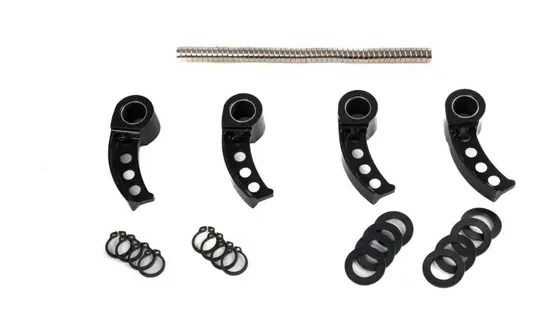
The Kawasaki Teryx KRX 1000 built its reputation on bombproof suspension, massive high-clearance trailing arms, and a chassis designed to take an absolute beating in the rocks. Standard maintenance keeps these heavy machines rolling, but pushed hard through deep water or muddy trail loops, the 999cc parallel-twin engine eventually demands fresh compression hardware. Installing a proper KRX 1000 Kit restores snappy throttle response, halts oil burning, and prevents catastrophic piston failure on demanding trails.
KRX 1000 Kit Specifications & Dimensions
Knowing your exact factory dimensions ensures you choose the correct piston size, wrist pin diameter, and gasket set before teardown begins.
| Engine Parameter | OEM Factory Specification | Standard Aftermarket Fitment |
| Engine Configuration | 999cc Parallel-Twin DOHC | 999cc Base / 1085cc Big Bore |
| Bore Size | 92.00 mm | 92.00 mm (Std) / 96.00 mm (Big Bore) |
| Stroke | 75.1 mm | 75.1 mm |
| Factory Compression Ratio | 11.5:1 | 11.5:1 (Cast) to 12.5:1 (Forged) |
| Wrist Pin Diameter | 21 mm | Heavy-duty hardened tool steel |
Top End Failure Causes on Trail Engines
Overheating stands as the single largest killer of top-end components on 2020 through 2022 models. Radiators tucked into the lower front bumper collect heavy mud instantly, cutting airflow and soaring coolant temperatures past safe operating thresholds. Thermal expansion forces the aluminum piston skirts directly into the Nikasil cylinder walls, scuffing the alloy and breaking delicate oil control rings.
- Dust ingress caused by stock airbox seal breaches acts like liquid sandpaper on intake valve faces.
- Sustained high-RPM dune runs heat-soak OEM cast pistons until ring lands crack under stress.
- Low oil levels from clogged breathers dry out wrist pin bushings, creating aggressive top-end ticking.
Selecting the Right Top End Components
Choosing between cast and forged replacement parts dictates how your machine handles future abuse. Standard cast pistons work fine for casual trail cruises, offering tight operating clearances and quiet cold starts. High-load rock crawling, heavy cargo hauling, or aftermarket turbo setups demand the structural density of 2618 forged aluminum alloys.
Cast Pistons
- Economical pricing for budget repairs
- Thermal expansion matches OEM cold clearances
- Brittle under severe detonation or overheating
Forged Pistons
- Superior tensile strength resists ring land cracking
- Handles high cylinder pressures from forced induction
- Requires slightly wider cold-wall clearances to allow alloy expansion
Frequently Asked Questions
How many miles does a Kawasaki KRX 1000 engine last?
A well-maintained engine routinely runs 8,000 to 12,000 miles before requiring cylinder refresh. Hard trail driving, mud exposure, or neglected air filter changes shorten top-end life to roughly 3,500 miles. Installing a high-quality KRX 1000 Kit restores factory compression ratios and maintains engine reliability over demanding terrain.
What causes a Kawasaki KRX 1000 to overheat on trails?
Mud buildup inside the front-mounted radiator fins drastically lowers airflow, pushing coolant temperatures into dangerous zones quickly. Mud clogs cause heat expansion that scuffs cylinder walls and warps head gaskets. Using a complete top end rebuild set helps repair heat-damaged cylinders and damaged internal rings.
What is the standard piston bore size for a KRX 1000?
The standard cylinder bore on a factory 999cc parallel-twin engine measures exactly 92.00 mm. Standard replacement components fit this exact bore size without extra machine work. Over-bored sleeves or big-bore options require clearanced cases and oversize 96mm pistons to expand total engine displacement safely.
Can you rebuild a KRX 1000 top end without removing the engine?
Yes, technicians replace the cylinder, pistons, and head gaskets directly while leaving the bottom crankcase bolted into the chassis. Removing the rear cargo tray provides wide clearance to pull valve covers, cam towers, and cylinder blocks smoothly without pulling the engine mount bolts completely.
What compression reading indicates a worn top end?
Factory static compression measures around 165 to 185 PSI per cylinder under ideal test conditions. Readings dropping below 130 PSI or displaying more than a 10 percent variation across both cylinders confirm worn piston rings or valve leakage. A complete KRX 1000 Kit restores equalized cylinder compression.
What oil grade protects a new piston installation best?
Use standard 10W-40 conventional wet-clutch oil during initial 100-mile ring seating to encourage proper seating against cylinder walls. Transition to full synthetic 10W-50 or 20W-50 powersports oil after break-in to handle extreme heat cycles and maintain vital shear strength on heavy trail rides.
Should I install a big bore replacement on my KRX 1000?
Big bore replacements expand engine displacement up to 1085cc, providing a noticeable 12 to 15 horsepower gain across low-RPM torque curves. Choose standard bore rebuilds for maximum engine block durability, or upgrade to big-bore options when re-sleeving deeply scored cylinder walls.
For a step-by-step visual breakdown of common cooling issues and engine teardowns on this platform, watch this helpful KRX 1000 Engine Overheating and Repair Analysis
video. This video directly details why cooling fan failures lead to severe top-end scoring on early model years.
