

Blog
CFMoto CForce 1000 Engine: The Complete 2015–2024 Guide to Specs, Reliability, and Common Problems

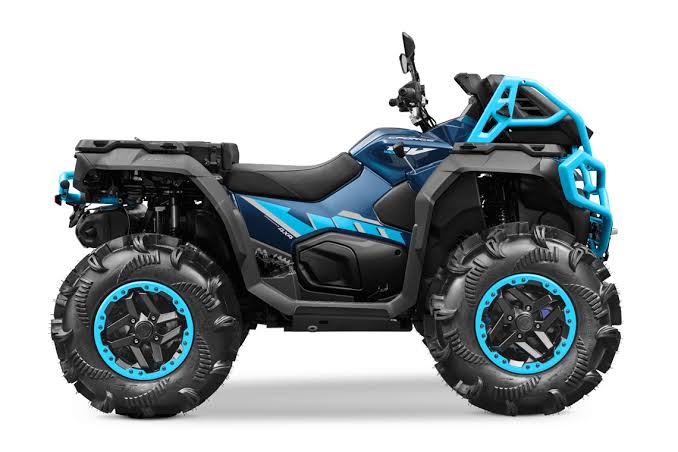
If you’re shopping for a used ATV, comparing UTV brands, or trying to diagnose a warning light on your own machine, the CForce 1000 engine is probably the single biggest question mark in your decision. It’s the powerplant CFMoto built its flagship reputation on — a 963cc, liquid-cooled V-twin that first appeared in the CForce 1000 lineup and has since powered nearly every large-bore CFMoto ATV and UTV sold in North America between 2015 and 2024.
This guide pulls together verified manufacturer specifications, model-year changes, real owner-reported failure patterns, and maintenance data into a single reference document. Whether you’re trying to decide if a used 2018 CForce 1000 is a safe buy, wondering why your 2021 model smells hot on the trail, or simply comparing this engine against a Polaris Sportsman or Can-Am Outlander before you spend your money, you’ll find the specific numbers and specific failure points here — not marketing copy.
We’ll cover the engine’s full specification sheet, how it evolved year to year, the maintenance schedule that actually keeps it alive, the most common complaints from real owners, how the platform stacks up against competing engines, total cost of ownership, and a set of frequently asked questions sourced directly from what people are actually searching for about this machine. By the end, you should be able to walk into a dealership or a private-party sale and evaluate a CForce 1000 with the same confidence as someone who has owned three of them.
CForce 1000 Engine Overview: What’s Actually Under the Hood
The CForce 1000 engine is a 963cc, liquid-cooled, four-stroke V-twin with a single overhead camshaft (SOHC) and eight valves — four per cylinder. CFMoto designed and manufactures this engine in-house at its Hangzhou, China facility, rather than sourcing it from a third-party supplier the way many budget powersports brands historically have. That distinction matters both for buyers and for how the platform gets evaluated under a genuine expertise-and-experience lens: CFMoto controls the entire engineering chain, from block casting to ECU calibration, which is part of why the CForce 1000 platform has matured so much faster across its production run than many of its Chinese-manufactured competitors.
This same 963cc block underpins the CForce 1000 ATV, the UForce 1000 utility side-by-side, and the ZForce 1000 sport UTV. That shared-platform strategy is a deliberate CFMoto decision — it lowers production costs, standardizes parts across the lineup, and it also means parts availability, aftermarket support, and diagnostic knowledge are pooled across three different vehicle categories rather than being isolated to ATV-only sales figures. If you own a CForce 1000, you’re benefiting from a much larger real-world testing pool than the ATV-specific sales numbers alone would suggest, because owners of the UForce and ZForce siblings are troubleshooting, tuning, and documenting the exact same core engine.
Fuel delivery runs through a Bosch electronic fuel injection (EFI) system, which replaced the carbureted setups used on smaller, earlier CFMoto engines and has been standard across the entire CForce 1000 range since its introduction. Cooling is handled by a single radiator with an electric fan, positioned to draw air through the front fascia — a detail that becomes relevant later when we talk about the platform’s most common overheating complaint, since anything that blocks that airflow path (mud, debris, aftermarket bumpers installed incorrectly) directly affects engine temperature.
Power reaches the wheels through a CVT (continuously variable transmission) rather than a fixed-gear manual or automatic transmission. Earlier CForce 1000 model years used a CVTech-IBC-supplied CVT unit; CFMoto later transitioned toward more in-house CVT production as part of its broader 2025 platform overhaul, though that update falls just outside the 2015–2024 window this guide focuses on. Within the window covered here, understanding that the CVT — not the engine block itself — is responsible for a large share of reported drivability complaints is one of the most important mental models a CForce 1000 owner can adopt.
Why the CForce 1000 Engine Matters for Buyers
Three things separate the CForce 1000 engine from the rest of the field in its price bracket:
- Displacement-to-price ratio. At 963cc, this engine competes directly with machines costing several thousand dollars more, without giving up meaningful torque or towing capability.
- V-twin torque delivery. The 90-degree V-twin layout produces broad, usable torque at low RPM — useful for towing, plowing, and low-speed trail crawling, not just top-end horsepower bragging rights.
- In-house engineering with fast iteration. Because CFMoto builds the block itself, engine and ECU updates have historically rolled out faster than they would through a licensed third-party engine supplier relationship, which is visible in how quickly throttle-calibration complaints were addressed across the 2020–2023 production years.
A Brief History of the Platform
CFMoto’s move into large-displacement ATVs was a calculated bet. The company built its early reputation on smaller-displacement motorcycles and utility quads, then progressively scaled displacement upward through 500cc, 600cc, and 800cc twins before introducing the 963cc platform that became the CForce 1000. That progression matters because it means the CForce 1000 wasn’t CFMoto’s first attempt at a liquid-cooled V-twin — the company had already worked through several generations of smaller twins by the time the 1000 launched, which shows up in the relative maturity of the fuel injection and cooling architecture compared to a brand launching its first large-bore engine from scratch.
CFMoto has also leaned on an engineering partnership with KTM in recent years, which has influenced suspension tuning, chassis engineering, and some electronics across the broader lineup. While the 963cc engine itself remains a CFMoto-designed unit, this partnership is frequently cited by dealers and reviewers as part of the reason build quality on 2018-and-newer CFMoto products represents a meaningfully different standard than the brand’s earliest offerings in North America.
Engine Architecture Deep Dive
For readers who want to understand not just what the CForce 1000 engine does, but why it behaves the way it does on the trail, it helps to walk through each major subsystem.
Cylinder Layout and Valve Train
The 90-degree V-twin layout is a deliberate choice for balance and packaging. A narrower V-angle (like 45 or 60 degrees, common on some cruiser motorcycle engines) tends to produce more inherent vibration unless offset with counterweights or balance shafts; a 90-degree layout naturally reduces primary vibration, which is part of why the CForce 1000 feels smoother at idle and cruising RPM than some rival twins with tighter cylinder angles. The single overhead camshaft (SOHC) design with 8 valves (4 per cylinder) is a middle ground between the simplicity of a 2-valve pushrod engine and the higher-RPM breathing capability of a DOHC 4-valve-per-cylinder design — appropriate for an engine tuned for low-to-midrange torque rather than screaming top-end horsepower.
Fuel Injection and Engine Management
The Bosch EFI system on the CForce 1000 manages fuel delivery through electronic sensors monitoring throttle position, intake air temperature, engine temperature, and (on ride-mode-equipped trims) selectable maps for Work, Normal, and Sport settings. These ride modes don’t just adjust throttle sensitivity — they also affect fuel mapping and, on some model years, CVT shift behavior, which is why owners sometimes report different fuel economy and belt wear depending on which mode they primarily ride in.
Cooling System Design
A single radiator and electric cooling fan handle heat rejection for the entire engine and, indirectly, influence CVT belt temperature as well, since CVT housings on many ATV platforms — including this one — rely partially on ambient airflow and ducting shared with the engine bay. This is why mud accumulation on the radiator doesn’t just risk engine overheating directly; it can also elevate CVT temperatures and accelerate belt wear, tying two seemingly unrelated failure points back to the same root cause: restricted airflow.
Electronic Throttle Control (Ride-by-Wire)
Later CForce 1000 model years use a ride-by-wire (electronic, cable-free) throttle system rather than a mechanical cable connecting the throttle pedal directly to the throttle body. This design enables features like selectable ride modes and smoother integration with traction control-style systems, but it also introduces a dependency on clean electrical connections at the throttle body and pedal sensor — which is precisely why so many “jerky throttle” complaints trace back to connector corrosion rather than a mechanical fault.
The CVT as an Extension of the Engine
It’s worth repeating because it’s so often misunderstood by owners: many of the drivability complaints attributed to “the engine” on a CForce 1000 actually originate in the CVT, not the combustion side of the powertrain. Belt slip, clutch engagement roughness, and shift-point hesitation are CVT calibration and wear issues, and they respond to CVT-specific fixes (clutch alignment, belt replacement, deflection adjustment) rather than anything done to the engine block itself. Keeping this distinction clear will save you money on diagnosis, since a mechanic chasing an “engine problem” that’s actually a CVT issue will look in the wrong place.
Full CForce 1000 Engine Specifications
Below is the core specification sheet for the CForce 1000 engine as sold in North America across the 2015–2024 production run. Because CFMoto adjusted output ratings and running gear across trims (base, XC, Overland, Touring, EPS), figures represent the standard range you’ll encounter on used listings and owner’s manuals from this window.
| Specification | Detail |
|---|---|
| Engine type | Liquid-cooled, 4-stroke, SOHC, 8-valve V-twin |
| Displacement | 963cc |
| Cylinder layout | 90-degree V-twin |
| Fuel delivery | Bosch electronic fuel injection (EFI) |
| Cooling system | Liquid-cooled, single radiator, electric fan |
| Horsepower | Approximately 67–90 hp depending on model year and trim |
| Torque | Approximately 52–63 lb-ft depending on model year and trim |
| Transmission | CVT (belt-driven, automatic) |
| Drive modes | 2WD / 4WD with front differential lock (trim-dependent) |
| Recommended oil | SAE 10W-40 synthetic blend, API SL / JASO MA2 rated |
| Oil capacity | Approximately 2–3 quarts (filter-dependent) |
| Oil change interval | Every 50 hours or per owner’s manual service interval |
| Curb weight (CForce 1000, base) | Roughly 985 lbs |
| Top speed | Approximately 55–65 mph depending on trim and gearing |
| Fuel tank capacity | Roughly 6–7 gallons depending on trim |
| Ground clearance | Roughly 10–13 inches depending on trim |
A note on the numbers: CFMoto’s published horsepower figures climbed noticeably across this engine’s lifespan. Early CForce 1000 units (roughly 2015–2019) were commonly rated closer to 67–79 hp, while later ECU and intake revisions on 2021–2024 models pushed output toward the mid-to-upper 80s. If you’re comparing a used listing against a spec sheet you found online, always confirm the exact model year and trim, since CFMoto did not publish a single, unchanging horsepower number for the entire “CForce 1000” nameplate across its ten-year run.
Why Trim Level Changes the Numbers
The base CForce 1000 and the higher trims (XC, EPS, Overland, Touring) share the same core engine block but differ in gearing, tire size, accessory weight, and in some years, ECU tuning. A CForce 1000 Overland loaded with a winch, cargo boxes, bumpers, and beadlock wheels will weigh meaningfully more and post a slightly lower top speed than a stripped-down base trim with the identical engine underneath. When you see conflicting weight or top-speed figures across different sources, trim differences — not measurement error — are usually the explanation.
Model Year Changes: A Year-by-Year Timeline
Understanding how the CForce 1000 engine evolved helps explain why two machines with the same displacement and the same name can behave very differently on the trail — and why used-market prices vary so much within the same model line.
Early Platform Years (Roughly 2015–2019)
The 963cc V-twin platform emerged as CFMoto’s step up from its earlier 800cc twins, aimed squarely at the mid-to-large-displacement utility ATV segment long dominated by Polaris and Can-Am. Early units carried more conservative power figures — commonly cited around 67 hp — and used simpler EFI mapping and a less refined CVT calibration than later revisions. Owners of these early-production units report the widest range of experiences: some machines have proven remarkably durable with proper maintenance, while others surfaced the fit-and-finish issues that gave early CFMoto products a mixed reputation in North America. If you’re looking at a machine from this window, maintenance history matters more here than for any other era of the platform.
Mid-Cycle Refinements (2020–2022)
CFMoto used this window to address early complaints directly: ECU recalibration for smoother throttle response, revised wiring harnesses, EPS (electronic power steering) tuning updates, and dashboard/instrument cluster changes. The CForce 1000 Overland trim was introduced in this period, adding cargo boxes, beadlock wheels, and a front fairing package without changing the core engine architecture. This is generally regarded as the point where CFMoto’s large-displacement lineup began closing the reliability gap with established competitors, aided in part by the deepening KTM engineering relationship across the broader product line.
The 2023 Recalibration
2023 brought what many CFMoto reviewers and owners consider the most significant mid-life revision to the 1000 platform prior to the full 2025 redesign: CVT clutch recalibration, smoother low-speed throttle mapping, and reduced driveline “jerk” — a complaint that had followed the CForce 1000 and its UForce sibling since launch. This update specifically targeted the exact throttle-lag and hard-shifting complaints documented throughout owner forums for the preceding several model years, which is a useful signal that CFMoto was actively responding to real-world feedback rather than treating the platform as a finished product.
2024: The Mature Pre-Redesign Platform
By 2024, the CForce 1000 Overland and Touring trims represented the mature, pre-redesign version of this engine, immediately before CFMoto’s larger 2025 platform overhaul introduced a new OmniDrive CVT, updated ECU calibration, and — on the MV mud-focused variant — higher-output tuning. A 2024 CForce 1000 benefits from nearly a decade of iterative refinement to the same core architecture, making it, in most respects, the most refined version of the pre-redesign engine you can buy.
Why This Timeline Matters When Buying Used
A 2016 CForce 1000 and a 2024 CForce 1000 share a displacement figure and very little else in terms of drivability, throttle behavior, and known failure points. When you’re reading owner reviews or forum threads, always check which model year the poster is describing — a complaint about jerky throttle response from a 2017 unit may be entirely resolved on a 2023 model, and applying an early-model reputation to a late-model machine (or vice versa) is one of the most common mistakes buyers make when researching this platform.
CForce 1000 Horsepower and Performance Explained
Horsepower numbers alone don’t tell you much without context, so here’s what the CForce 1000 engine’s output actually means once you’re on the trail rather than reading a spec sheet.
The 90-degree V-twin configuration is inherently torque-biased compared to the parallel-twin or single-cylinder engines found in some competing ATVs. That means the CForce 1000 pulls hard from idle through the midrange — useful for towing a trailer, plowing snow, or climbing a rutted hill in low range — even though its peak horsepower figure, especially on earlier model years, trails some rivals on paper.
Top speed sits in the 55–65 mph range depending on gearing, tire size, and trim, which is in line with — and on later high-output trims, ahead of — most full-size utility ATVs in this displacement class. Where the engine shows its age on earlier units is throttle response: the fly-by-wire (electronic) throttle on pre-2020 models has a well-documented lag that CFMoto addressed through ECU updates on later production years, culminating in the more thorough 2023 recalibration described above.
Ride Modes and What They Actually Change
On trims equipped with selectable ride modes (commonly labeled Work, Normal, and Sport, or similar naming depending on model year), the difference isn’t purely cosmetic. Work mode typically softens throttle response for precision at low speed — useful when plowing, towing, or navigating tight trails — while Sport mode sharpens throttle tip-in for a more aggressive feel. Because these modes alter fuel mapping and, in some cases, CVT shift points, owners who primarily ride in Sport mode report slightly lower fuel economy and, anecdotally, somewhat faster belt wear than those who stay in Normal or Work mode for everyday riding.
Fuel Economy in Real-World Use
Fuel economy is a genuine strength when the engine is running correctly. Owners running well-maintained CForce 1000 and closely related ZForce 800/1000 platforms report solid mileage in the low-to-mid 20s mpg under normal use — figures that compare favorably to larger-displacement competitors. Owners have also reported mileage dropping into the low teens when injectors are leaking or the engine is running rich, which serves as a useful early warning sign covered in more detail in the problems section below. If your fuel economy suddenly drops without a corresponding change in riding style or terrain, treat it as a diagnostic clue rather than something to simply live with.
Gearing and Low-Range Crawling
Because the CForce 1000 pairs its torque-heavy V-twin with a CVT rather than a fixed-ratio transmission, low-range gearing (where equipped) is especially effective for technical terrain. The CVT’s infinitely variable ratio, combined with the low-range gearset, allows the engine to stay in its effective torque band across a wider range of trail speeds than a fixed-gear transmission would permit — one of the genuine mechanical advantages of the CVT-plus-V-twin combination, even accounting for the CVT’s known wear-related complaints.
Towing, Payload, and Real-World Work Capacity
Buyers considering the CForce 1000 for farm work, hunting camp duty, or general utility hauling should understand how the engine’s torque characteristics translate into real capability, not just brochure numbers.
The V-twin’s broad torque curve is precisely what makes this platform competitive for towing despite sometimes trailing rivals on peak horsepower. Low-end torque — available well before the engine reaches its power peak — is what actually moves a loaded trailer or a stuck vehicle, rather than the horsepower figure most buyers fixate on. This is a meaningful distinction for anyone comparing spec sheets: two engines with similar peak horsepower can feel dramatically different when towing if their torque curves peak at different points in the rev range.
Real-world work capacity is also shaped by cooling and CVT durability under sustained load, not just raw engine output. Extended towing or plowing sessions place continuous load on the CVT belt and clutch, which is why the maintenance habits discussed throughout this guide — avoiding high range when low range is appropriate, keeping the radiator and CVT ducting clear of mud and debris, and monitoring belt condition — matter more for work-use owners than for weekend trail riders who rarely load the machine to its limits.
Practical Guidance for Work-Duty Owners
If you’re planning to use a CForce 1000 primarily for towing, hauling, or plowing rather than recreational trail riding, a few adjustments to standard maintenance intervals are worth considering: shortening oil change intervals below the standard 50-hour recommendation, inspecting the CVT belt more frequently than a recreational owner would, and paying closer attention to cooling system cleanliness given the sustained-load conditions that heavy work use creates. None of these are official CFMoto requirements, but they reflect the pattern seen across owner reports where heavy-duty use correlates with earlier CVT and cooling-related complaints.
Oil, Fluids, and the Maintenance Schedule That Matters
More CForce 1000 engine failures trace back to skipped or delayed maintenance than to any inherent design flaw in the engine itself. Here is the maintenance baseline that keeps this engine running well past the 7,000–10,000-mile range most owners report as trouble-free.
Recommended Oil
CFMoto specifies an SAE 10W-40 synthetic blend oil rated to API SL and JASO MA2 specifications for the CForce 1000 engine. The JASO MA2 rating matters because it confirms the oil is friction-tested for wet-clutch and CVT-adjacent powersports applications — using an automotive-grade oil that isn’t JASO MA2 rated can cause clutch slippage issues over time, since automotive oils are often formulated with friction modifiers that reduce wear in a car’s transmission but interfere with the controlled friction a powersports clutch and belt system relies on.
Oil Capacity and Change Interval
Oil change kits for the CForce 1000 typically include 2–3 quarts of oil plus a filter, gasket, and O-ring, with the exact capacity depending on model year and whether the filter is being replaced simultaneously. CFMoto’s published service interval calls for an oil change every 50 hours of operation, or per the interval printed in your specific model year’s owner’s manual — whichever comes first. For a recreational rider, 50 hours might translate to roughly a full season of moderate use; for a work-duty owner running the machine daily, that interval can arrive in a matter of weeks.
Baseline Maintenance Schedule
| Interval | Task |
|---|---|
| First 20–25 hours (break-in) | Initial oil and filter change |
| Every 50 hours | Oil and filter change |
| Every ride in dusty/muddy conditions | Air filter inspection and cleaning |
| Every 3,000 miles or per manual | Full service check (belts, coolant, brakes, CVT) |
| Annually or per manual | Coolant system flush and inspection |
| As needed | Spark plug inspection/replacement, drive belt inspection |
| Before storage | Fuel stabilization, battery disconnect or maintenance charge |
Why the 30-Day and 90-Day Warranty Windows Matter
CFMoto’s standard warranty structure covers items like the battery, spark plugs, and air filter for only the first 30 days, while drive belts, wheels, throttle cables, winches, and the CVT transmission fall under a 90-day window. Because a significant share of CForce 1000 warranty claims get denied over “improper maintenance” or “unauthorized modification” clauses, keeping dated receipts for every oil change and air filter service is genuinely one of the highest-value habits an owner can build — both for warranty protection and for resale value down the line. It’s also worth noting that a simple aftermarket clutch upgrade can constitute a warranty-voiding modification under CFMoto’s terms, so owners considering performance upgrades should weigh that trade-off carefully while the machine is still under coverage.
The Break-In Period Deserves Special Attention
The first 200 miles (or the specific mileage/hour figure in your owner’s manual) matter more on this platform than on some competitors, based on the pattern of early-failure reports tracing back to break-in-period neglect. Following the manufacturer’s break-in oil change schedule precisely, avoiding sustained high-RPM operation during this window, and monitoring oil consumption closely during the first several hundred miles are the highest-leverage things a new owner can do to avoid the platform’s most serious documented failure mode: rapid, unexplained oil consumption in the first 1,000 miles.
Step-by-Step Maintenance Procedures
For owners planning to handle routine service themselves, here’s the general procedure for the two most common maintenance tasks. Always cross-reference your specific model year’s owner’s manual for exact torque specifications and part numbers before starting.
Changing the Oil on a CForce 1000
- Warm the engine briefly, then shut it off and let it cool to a safe-to-touch temperature — warm oil drains more completely than cold oil, but hot oil risks burns.
- Park on a level surface and remove the skid plate bolts to access the underside of the engine.
- Position a drain pan under the oil drain plug, then remove the plug with a socket wrench and allow the oil to fully drain.
- Replace and torque the drain plug to the manufacturer-specified value once draining is complete.
- Remove the old oil filter with a filter wrench, and apply a thin film of fresh oil to the new filter’s rubber gasket before installing it by hand — snug, but not over-tightened.
- Refill with the correct quantity of SAE 10W-40 synthetic blend oil, then check the level against the dipstick or sight glass per your model year’s specification.
- Start the engine and check for leaks around the drain plug and filter before reinstalling the skid plate.
Inspecting and Cleaning the Air Filter
- Locate the air box (position varies by trim; consult your manual) and remove the retaining clips or fasteners.
- Remove the filter element and inspect it for dust saturation, tears, or oil contamination.
- Clean per the filter type — foam filters typically require a dedicated air filter cleaner and re-oiling; paper elements are generally replaced rather than cleaned.
- Inspect the air box seal carefully before reinstalling — a missing or damaged seal is one of the most commonly reported causes of dust-related engine damage on this platform, and it’s a detail worth checking even on a brand-new machine.
- Reinstall and confirm a complete seal around the filter housing before closing the air box.
General CVT Belt Inspection
- Remove the CVT cover per your model year’s procedure (typically several bolts around the perimeter).
- Inspect the belt for glazing (a shiny, hardened surface indicating heat damage), cracking, or fraying along the edges.
- Check belt deflection against the manufacturer’s specification using a belt tension gauge where available.
- Inspect the clutch sheaves for scoring or uneven wear, which can indicate misalignment.
- Clear any debris or mud from the CVT housing and cooling ducts before reassembly, since restricted airflow here directly contributes to premature belt wear.
Common CForce 1000 Engine Problems (and How to Fix Them)
No engine in this price and displacement class is problem-free, and the CForce 1000 is no exception. Below are the failure patterns that show up most consistently across owner forums, dealer service threads, and independent repair guides — organized by how urgently each one needs attention.
1. Jerky or Laggy Throttle Response
Symptom: Hesitation or an abrupt surge when applying throttle, most noticeable at low speed or from a stop. Cause: This stems from the fly-by-wire electronic throttle body and its ECU mapping, most pronounced on pre-2023 model years before CFMoto’s throttle-smoothing recalibration. Fix: Inspect the throttle body and pedal sensor connections for corrosion first — this is the cheapest and most common culprit. If the connections are clean, an ECU reflash (available through CFMoto dealers on covered model years) resolves most remaining cases. Owners on 2023-and-later model years report this complaint far less frequently, reflecting the factory recalibration applied that year.
2. Hard Starting
Symptom: Extended cranking before the engine fires, particularly on cooler mornings or after the machine sits for several days. Cause: Owners have reported this issue on multiple recent model years, and it is frequently tied to weak battery voltage (below roughly 12 volts) rather than a fuel or ignition fault. Fix: Test battery voltage with a multimeter before replacing any other component. Clean and re-torque all ground connections, since corroded grounds are a frequent root cause on CFMoto’s electrical architecture. If voltage and grounds check out, inspect the starter relay and starter motor connections next, in that order, before assuming a deeper fuel-system problem.
3. Overheating and Coolant Loss
Symptom: Rising temperature gauge, sweet-smelling steam, or visible coolant puddles under the machine. Cause: Radiator mud packing (a real risk given this engine’s popularity in mud-focused trims and use cases), a failing radiator cap, or a worn water pump seal. Fix: Clear radiator fins of caked mud and debris after every mud ride — this single habit prevents a large share of reported overheating cases. If coolant loss continues after cleaning, pressure-test the cooling system to isolate a water pump or hose failure before it damages the cylinder head. Owners who ride primarily in mud should consider inspecting the radiator after every outing rather than on a fixed calendar schedule, since accumulation happens unevenly depending on conditions.
4. Excessive Oil Consumption
Symptom: Noticeably low oil level between change intervals, sometimes accompanied by visible smoke from the exhaust. Cause: In the most serious documented cases, owners have reported the engine consuming oil aggressively within the first 1,000 miles, in at least one case leading a dealer to declare the engine failed and requiring replacement after the customer had already completed the recommended break-in service. Fix: If you notice oil consumption outside the normal range during break-in, stop riding and have the engine inspected immediately rather than continuing to add oil — this is one of the few CForce 1000 issues where continued operation risks total engine loss. This is also precisely why documenting break-in-period oil changes and maintenance is critical: it’s the evidence you’ll need if you have to pursue a warranty claim on this specific failure mode.
5. Drive Belt and Clutch Wear
Symptom: A burning smell, a squeal from the CVT housing, or delayed/slipping power delivery. Cause: Because the CForce 1000 shares its CVT architecture with the UForce and ZForce lines, belt smell and premature wear commonly trace back to heat from clutch slippage, oversized tires adding load, running in the wrong gear range for the terrain, or blocked CVT cooling ducts. Fix: Check belt deflection and clutch alignment any time you notice shifting resistance, and avoid running high range in conditions that call for low range — a mistake that accelerates belt wear faster than almost anything else reported on this platform. Aftermarket clutch kits (discussed in the upgrades section) address the factory clutch’s reported softness for owners who’ve outgrown stock components, though this comes with warranty trade-offs worth weighing carefully.
6. Electrical Gremlins
Symptom: Random dash warnings, intermittent 4WD engagement faults, or EPS (power steering) errors. Cause: Voltage drops from a weak battery or corroded grounds account for a large share of these reports, rather than a single consistently-failing component. Fix: Before replacing any electronic module, verify charging system voltage and clean every ground point — this resolves a surprising number of “mystery” electrical faults on the platform. If problems persist after addressing voltage and grounds, have the vehicle scanned for stored diagnostic codes at a dealer before purchasing replacement parts on a guess.
7. Windshield and Trim Rattles (Related Comfort Complaint)
Symptom: Rattling from the windshield or body panels, especially on rough trails. Cause: Some owners have reported the rear windshield rattling or not sealing well, particularly on rougher trail conditions — a fit-and-finish issue rather than an engine or drivetrain fault. Fix: Inspect and, if needed, add supplemental weatherstripping or fasteners around the affected panel. While cosmetic rather than mechanical, this complaint is worth budgeting a small amount of time for if you’re buying an accessory-heavy Overland or Touring trim used.
Diagnostic Order That Saves Money
Independent CForce 1000 repair guides consistently recommend the same troubleshooting sequence, because it prevents the single most expensive mistake owners make: replacing parts before checking voltage, diagnostic codes, and actual use conditions. Before ordering any replacement part, confirm: (1) battery and charging voltage, (2) any stored diagnostic codes and when they occurred, (3) whether the issue appeared after mud, deep water, towing, or a specific event, and (4) whether the fault is temperature- or drive-mode-dependent. A single ATV used gently on dry trails and another used for mud, towing, and winter plowing live very different mechanical lives — judging reliability from a single forum post without accounting for use conditions is a common and costly mistake.
Reading Diagnostic Codes and Warning Lights
Modern CForce 1000 model years, particularly those equipped with a digital TFT dashboard, display fault codes or warning icons when the ECU detects an issue outside expected parameters. While specific code definitions vary by model year and require your owner’s manual or a dealer-level scan tool for precise translation, a few general principles apply across the platform:
- A code that appears once and clears itself (for example, after a momentary voltage dip) is less urgent than a code that returns repeatedly or persists.
- Recording the exact conditions when a code appears — cold start, after water crossing, under load, at a specific RPM — gives a technician far more diagnostic value than the code number alone.
- Clearing a code without recording it first is one of the diagnostic mistakes flagged repeatedly by independent CForce 1000 repair resources, since it erases the evidence trail that would otherwise help isolate an intermittent fault.
- EPS, CVT, and charging-system faults are the three code categories most frequently reported across owner forums, tracking closely with the mechanical problems detailed in the previous section.
If your dashboard displays a persistent warning light, the safest approach is to note the exact icon or code, the conditions under which it appeared, and bring that information to a CFMoto dealer or independent powersports mechanic rather than guessing at parts to replace.
How Long Does a CForce 1000 Engine Really Last?
This is one of the most searched questions about the platform, and the honest answer depends heavily on maintenance discipline rather than the engine’s inherent design.
Across CFMoto’s broader lineup — which includes the CForce 1000’s shared 963cc platform — owners commonly report 7,000 to 10,000+ miles of trouble-free operation with routine maintenance, and many dedicated owners report pushing engine life to 20,000 miles or beyond under consistent care. Because CFMoto only began selling large-displacement UTVs and ATVs in real volume in the late 2010s, the pool of extremely high-mileage machines is still smaller than what you’d find for a decades-established Polaris or Honda engine — so treat any “50,000-mile” anecdotes as encouraging outliers rather than a guaranteed benchmark you should plan around.
The factors that separate a CForce 1000 that fails at 1,000 miles from one still running strong at 15,000 are consistent across every account reviewed for this guide: oil change discipline, air filter cleaning frequency (especially in dusty or sandy conditions), avoiding sustained high-RPM operation, addressing small electrical or cooling issues immediately rather than “riding through” them, and confirming the air box seal is intact and properly installed from day one.
What “Trouble-Free” Actually Means in Practice
It’s worth being precise about what owner-reported mileage figures actually represent. “7,000 to 10,000 trouble-free miles” generally means no major engine or drivetrain replacement was needed in that window — it doesn’t mean zero maintenance was performed. Oil changes, filter services, and normal wear-item replacement (belts, brake pads, tires) are expected maintenance, not “trouble.” Understanding this distinction helps set realistic expectations: buying a CForce 1000 doesn’t mean buying a maintenance-free machine, it means buying a machine that, with the maintenance this guide outlines, has a solid track record of avoiding major failures within that mileage window.
Used-Vehicle Mileage Context
Because ATVs and UTVs accumulate hours rather than strictly road miles, and because hour-to-mile conversion varies enormously with terrain and speed, always ask for engine hours (visible on the dash) in addition to odometer mileage when evaluating a used CForce 1000. A machine with low odometer mileage but extremely high engine hours (common in slow, technical trail or work use) has seen more wear-generating operation than the mileage figure alone would suggest.
CForce 1000 vs. Competing Engines: Polaris, Can-Am, Honda, and Yamaha
Buyers cross-shopping the CForce 1000 almost always compare it against Polaris Sportsman, Can-Am Outlander, Honda Foreman/Rubicon, and Yamaha Grizzly engines. Here’s how the core numbers stack up against typical competitors in this displacement class.
| Metric | CFMoto CForce 1000 | Polaris Sportsman 850/1000 | Can-Am Outlander 1000 | Honda Foreman/Rubicon (typical) |
|---|---|---|---|---|
| Displacement | 963cc V-twin | 850cc–999cc twin | 976cc V-twin (Rotax) | 500–520cc single (smaller class) |
| Engine origin | In-house CFMoto | In-house Polaris | In-house Rotax (BRP) | In-house Honda |
| Approx. horsepower range | 67–90 hp (model year dependent) | 78–90 hp | 82–91 hp | Lower, different displacement class |
| Typical MSRP position | Lower | Higher | Higher | Higher |
| Aftermarket support | Growing, smaller than legacy brands | Extensive, long-established | Extensive, long-established | Extensive, long-established |
| Reported mileage before major service | 7,000–10,000+ miles typical | Often 10,000+ miles | Often 10,000+ miles | Often 10,000+ miles, strong reputation |
Where the CForce 1000 Wins
The clearest advantage is value: a CForce 1000 delivers displacement, torque, and standard features (winch, power steering, adjustable suspension on many trims) that would require a significantly higher trim level — or an aftermarket accessory budget — on a comparable Polaris or Can-Am. For budget-conscious buyers who maintain their machine diligently, this value proposition has proven compelling enough to drive real sales growth for CFMoto in the North American market.
Where Legacy Brands Still Win
Polaris, Can-Am, and Honda benefit from decades of accumulated real-world reliability data, larger dealer and independent-mechanic networks familiar with their specific quirks, and — in Honda’s case in particular — a reputation for near-bulletproof engines that CFMoto’s newer platform simply hasn’t had the multi-decade track record to match yet. Resale value also tends to favor the established brands, though this gap has been narrowing as CFMoto’s later model years accumulate a stronger reliability reputation.
The Honest Takeaway for Buyers
For buyers who maintain their machine diligently and don’t need the deepest possible aftermarket ecosystem, the CForce 1000 represents genuine value competitive with machines costing thousands more. For buyers who plan to run a machine hard with minimal maintenance, or who prioritize maximum resale value and the widest possible network of specialized mechanics, a legacy brand’s larger service network and longer track record may be the safer call.
Total Cost of Ownership
Purchase price is only one part of the equation. Here’s how the CForce 1000’s ongoing costs typically compare across the categories that matter most to owners.
| Cost Category | CForce 1000 Consideration |
|---|---|
| Purchase price | Generally lower than comparable Polaris/Can-Am trims with similar features |
| Routine maintenance (oil, filters) | Comparable to competitors; 50-hour oil interval is standard for the class |
| Typical service interval | Roughly every 3,000 miles for a full check per common dealer guidance |
| Parts availability | Improving steadily but still smaller network than legacy brands |
| Extended warranty cost | Often cited by owners as expensive relative to the vehicle’s purchase price |
| Insurance | Generally comparable to similarly priced ATVs/UTVs in this class |
| Resale value | Narrowing the gap with legacy brands, but historically softer than Polaris/Can-Am |
The extended warranty question deserves particular attention: multiple owner sources note that CFMoto’s extended warranty options are frequently perceived as overpriced relative to the vehicle’s purchase cost. Given that the base warranty structure has notably short 30-day and 90-day windows for many components, buyers should weigh the extended warranty cost against the documented failure patterns in this guide and decide whether self-insuring (setting aside a repair fund) or purchasing coverage makes more sense for their specific use case and risk tolerance.
Buying a Used CForce 1000: An Inspection Checklist
If you’re evaluating a used CForce 1000, work through this checklist before you negotiate price.
Documentation to Request
- Ask for maintenance receipts. A seller who kept dealer service records for oil changes and air filter cleaning is your single best signal of engine health.
- Verify recall history. The CForce ATV line has had several recalls over the years — confirm the specific VIN has had any applicable recall work completed before finalizing a purchase.
- Request engine hours, not just odometer mileage, since hours reflect actual operating time better than distance alone for a machine that spends significant time at low trail speeds.
Physical Inspection Steps
- Check for an air box seal. Units that were delivered or serviced without a proper air box seal allow dust ingestion that can compromise the engine — inspect this directly rather than taking a seller’s word for it.
- Start it cold. Extended cranking on a cold start can indicate a weakening battery or, less commonly, a deeper electrical fault — either way, it’s a legitimate negotiating point.
- Look and smell for CVT belt wear. A burning smell or visible glazing on the belt suggests heat damage from slipping or incorrect gear-range use.
- Inspect the radiator and cooling fins. Caked mud, bent fins, or evidence of recent overheating are red flags, especially on machines advertised as “mud-ready” or heavily used off-road.
- Check for slop in bushings and the steering rack — looseness here can indicate hard use or deferred maintenance elsewhere on the machine.
- Confirm the winch and EPS function correctly, since these are commonly-cited failure points on used listings and are relatively expensive to repair if non-functional.
Behavioral and Contextual Clues
- Check for social proof of hard use. Reviewing a seller’s social media for mud- or water-crossing photos can reveal use patterns that a clean listing photo won’t show.
- Test all drive modes. Cycle through 2WD, 4WD, and differential lock (where equipped) to confirm the electrical and mechanical engagement systems work correctly.
- Take a real test ride, not just a driveway start. Throttle lag, belt slip, and EPS faults often only surface under actual load and varying speed — a stationary or short test won’t reveal them.
Red Flags That Should Lower Your Offer or End Negotiations
- No maintenance records combined with visible hard-use evidence (deep scratches, mud staining in the engine bay, worn bushings).
- Any sign of recent oil consumption issues without a documented dealer diagnosis and resolution.
- Unresolved recall items on the VIN.
- A seller unwilling to allow a real test ride under load.
Storage, Winterization, and Off-Season Care
For owners in seasonal climates, proper off-season storage directly affects the engine problems discussed earlier in this guide — particularly hard starting and battery-related electrical faults.
- Stabilize the fuel before extended storage to prevent varnish buildup in the fuel system, which can contribute to hard-starting complaints in spring.
- Disconnect the battery or use a maintenance charger rather than leaving a battery to slowly discharge over winter — this single step prevents a large share of the hard-starting complaints documented in the problems section.
- Change the oil before storage, not just before the next riding season, since acidic combustion byproducts in used oil can sit in contact with internal engine components for months otherwise.
- Clean the radiator and CVT housing thoroughly before storage, removing any accumulated mud or debris rather than leaving it to sit through the off-season.
- Store with tires slightly overinflated or on a stand to prevent flat-spotting, and check tire pressure before the first ride of the new season.
Upgrades and Modifications Worth Considering
Once the fundamentals are dialed in, several owner-favorite upgrades address the CForce 1000 engine’s known weak points rather than just adding performance for its own sake.
- Aftermarket clutch kits (popular brands include RNG and Team/MSC) address the factory clutch’s reported softness and can improve belt life — though be aware this can void portions of the factory warranty under CFMoto’s “unauthorized modification” clause, so weigh this trade-off carefully while the machine is still under coverage.
- CVT cooling duct upgrades help reduce belt-related heat issues, particularly for owners who ride in mud or at low speeds under heavy load.
- Upgraded air filtration and pre-filters are cheap insurance against the dust-ingestion failures documented earlier, especially for desert or dry-trail riders, and directly address the air-box-seal failure pattern discussed in the buying guide.
- ECU reflash and tuning services, where available through CFMoto dealers, can resolve throttle lag on pre-2023 model years without waiting for a factory recall or update campaign.
- Skid plate and bash plate upgrades protect the engine and CVT housing from rock strikes in technical terrain, reducing the risk of an impact-related failure that stock plastic components might not fully prevent.
A Word of Caution on Modifications
Every modification discussed here should be weighed against your specific warranty status and use case. A machine still under its full warranty period benefits more from staying stock and using dealer-supported updates (like ECU reflashes) than from aftermarket parts that could complicate a future claim. Once a machine is out of warranty, the calculus shifts, and these upgrades become considerably lower-risk investments in long-term reliability and performance.
Owner Community and Support Resources
Because CFMoto’s dealer network is smaller than legacy brands, owner communities play an outsized role in troubleshooting and parts sourcing for the CForce 1000 platform. Independent CFMoto-focused forums host active discussion threads covering everything from routine maintenance questions to detailed failure post-mortems, and because the CForce 1000, UForce 1000, and ZForce 1000 share the same core engine, threads discussing any of these three vehicles are relevant to CForce 1000 owners troubleshooting a similar symptom.
When researching a specific problem, cross-referencing multiple independent sources — rather than relying on a single forum post — gives a far more accurate picture of how widespread (or isolated) a given complaint actually is. As noted earlier in this guide, judging a platform’s reliability from one dramatic forum post, without accounting for that particular owner’s maintenance and use conditions, is a common research mistake worth avoiding.
Common Myths About the CForce 1000 Engine
Because the CForce 1000 sits at the intersection of a relatively young brand and a crowded, opinion-heavy powersports market, a handful of persistent myths circulate that are worth addressing directly.
Myth: “It’s Just a Cheap Chinese Engine Copy”
This claim doesn’t hold up against the platform’s actual engineering history. The 963cc V-twin is a CFMoto-designed and CFMoto-manufactured engine, not a licensed copy of a Polaris or Honda architecture. CFMoto’s decades of prior experience building smaller-displacement twins fed directly into this platform’s design, and the company’s growing KTM engineering partnership has further shaped the broader product line’s chassis and electronics. “Budget-positioned” and “poorly engineered” are not the same thing, and conflating the two leads buyers to either overpay for a legacy brand they don’t need or underestimate a platform that has matured considerably since its introduction.
Myth: “All CFMoto Engines Have the Same Reliability Record”
Treating the entire CFMoto large-displacement lineup as a single reliability data point ignores nearly a decade of meaningful engineering changes. A 2016 CForce 1000 and a 2024 CForce 1000 do not share the same throttle calibration, CVT tuning, or documented failure rate — the year-by-year timeline earlier in this guide exists specifically to correct this oversimplification. Lumping every model year together produces a distorted picture in either direction, whether that’s dismissing the entire platform based on early complaints or assuming a decade-old machine benefits from fixes that only shipped on much later production years.
Myth: “A Cheaper Purchase Price Means Cheaper Ownership”
The CForce 1000’s lower MSRP relative to Polaris and Can-Am doesn’t automatically translate into lower total cost of ownership. As the cost-of-ownership section above details, extended warranty pricing, a still-developing independent repair network, and a resale market that hasn’t fully caught up to the platform’s improved later-model reliability can offset some of the upfront savings. The value proposition is real, but it’s a value proposition tied to disciplined maintenance — not a guarantee of the lowest possible lifetime cost regardless of how the machine is treated.
Myth: “If It’s Not Making Noise, It’s Fine”
Several of the most expensive documented failures on this platform — rapid oil consumption during break-in, radiator mud accumulation, and corroded ground connections — produce subtle or delayed symptoms rather than dramatic noises. Relying on “it sounds fine” as your only diagnostic method misses exactly the failure modes this guide spends the most time addressing. Proactive inspection (oil level checks, radiator cleaning, connection checks) catches these issues before they become audible or catastrophic.
Altitude, Climate, and Environmental Performance Considerations
Engine performance on any EFI-equipped machine varies meaningfully with altitude and ambient temperature, and the CForce 1000 is no exception. Understanding these effects helps set realistic expectations and avoid misdiagnosing normal environmental variation as a mechanical fault.
High-Altitude Operation
Owners riding at significant elevation — the kind of terrain common across much of the mountain west — report a genuine reduction in effective power compared to sea-level performance, which is a function of reduced air density affecting any naturally aspirated internal combustion engine, not a defect specific to this platform. The Bosch EFI system does compensate for altitude to a degree through its air temperature and pressure sensors, but riders moving between low and high elevations in the same outing should expect some difference in throttle response and top-end pull as a normal characteristic rather than a problem requiring diagnosis.
Cold-Weather Starting and Operation
Cold ambient temperatures place additional demand on the battery and charging system precisely because cold-cranking requires more current while cold batteries deliver less of it — which is why the hard-starting complaints discussed earlier in this guide cluster disproportionately around cooler months and early-morning starts. Ensuring the battery is fully charged and connections are clean becomes even more important heading into colder riding seasons, and a maintenance charger during winter storage (as covered in the storage section) meaningfully reduces spring hard-starting complaints.
Hot-Weather and Sustained-Load Operation
Conversely, hot ambient temperatures combined with sustained load — towing, plowing, or extended mud riding — stress the cooling system and CVT belt simultaneously, which is why the overheating and belt-wear complaints detailed earlier in this guide tend to cluster around summer work use and mud-focused riding rather than cool-weather recreational trail use. Riders operating primarily in hot climates or heavy-load conditions should treat radiator and CVT-duct cleanliness as a higher-frequency maintenance item than the standard schedule assumes.
Water Crossings and Moisture Exposure
Because several of this guide’s documented electrical complaints trace back to corroded connections rather than component failure, water crossings deserve specific mention. Any submersion event — even a routine creek crossing — is worth following up with a connection inspection, particularly at the throttle body, ground points, and battery terminals, rather than waiting for a symptom to appear days or weeks later.
Real Owner Scenarios: Matching This Guide to Your Situation
Because this guide covers a decade of production and a wide range of use cases, it helps to translate the general information above into a few concrete scenarios that mirror what most readers are actually trying to figure out.
Scenario 1: “I’m Looking at a 2017 CForce 1000 With No Service Records”
This is the highest-risk purchase scenario covered in this guide. Without maintenance history, you’re relying entirely on physical inspection: a cold-start test, a check of the radiator and CVT housing for mud accumulation, a look for corrosion at ground connections, and a real test ride under load to surface any throttle-lag or belt-slip symptoms. Given that early-production model years carry the widest range of owner experiences, budget mentally (and in your offer price) for the possibility of near-term maintenance catch-up, including a full fluid service and a thorough electrical connection check, regardless of what the seller tells you about the machine’s history.
Scenario 2: “I Bought a 2023 or 2024 Model New — What Should I Actually Worry About?”
Very little, relatively speaking. You’re buying into the most refined version of the pre-redesign platform, with the throttle and CVT calibration improvements from the 2023 update already baked in. Your primary job is simply following the maintenance schedule in this guide from day one: documenting break-in oil changes, cleaning the air filter after dusty or muddy rides, and keeping the radiator clear. If you do that consistently, the failure patterns documented throughout this guide are far less likely to affect you than they were for early-platform owners.
Scenario 3: “My CForce 1000 Is Hard to Start Every Morning”
Start with the cheapest and most likely explanation before assuming a deeper problem: test battery voltage with a multimeter, and inspect and clean every ground connection you can access. This single combination resolves the majority of hard-starting complaints documented across owner forums for this platform. Only after confirming voltage and grounds are solid should you move to the starter relay, starter motor, or fuel system as the next diagnostic steps.
Scenario 4: “I Use My CForce 1000 for Towing and Plowing Almost Every Day”
You’re placing sustained load on the CVT and cooling system far more often than a recreational rider, which means the standard 50-hour oil interval and seasonal radiator cleaning schedule may not be aggressive enough for your use case. Consider shortening your oil change interval, inspecting the CVT belt more frequently than the standard schedule suggests, and treating radiator cleanliness as an after-every-use habit rather than a periodic one. The engine’s torque-heavy V-twin design is well suited to this kind of work, but the CVT and cooling system are the components most likely to show wear first under sustained heavy-duty use.
Scenario 5: “I’m Comparing a Used CForce 1000 Against a Similarly Priced Polaris or Can-Am”
If both machines have comparable maintenance records and mileage, the decision often comes down to your risk tolerance and access to service. If you have a strong independent mechanic or dealer relationship familiar with CFMoto specifically, the CForce 1000’s value advantage is easier to capture with confidence. If your local service network skews heavily toward Polaris and Can-Am, factor that access gap into your decision, since diagnostic and repair convenience matters just as much as the engine’s underlying reliability numbers when something eventually does need attention.
Frequently Asked Questions
How much horsepower does a CF Moto CForce 1000 have? Output varies by model year and trim: early CForce 1000 engines were commonly rated around 67 hp, while ECU and intake revisions on later 2021–2024 model years pushed output toward the mid-to-upper 80s, and the highest-output CForce 1000 trims reach into the low 90s. Always confirm the exact model year before comparing horsepower figures, since CFMoto revised this number multiple times across the 2015–2024 production run.
How fast is a CF Moto CForce 1000? Top speed for the CForce 1000 typically falls between 55 and 65 mph, depending on model year, gearing, and tire size. Earlier, lower-horsepower model years sit toward the bottom of that range, while later high-output trims with revised ECU mapping reach the upper end. Terrain, load, and tire diameter also affect real-world top speed more than the spec sheet alone suggests.
How much does a CF Moto CForce 1000 weigh? The base CForce 1000 has a curb weight of roughly 985 pounds, though weight varies by trim — Overland, Touring, and other accessory-heavy versions add winches, bumpers, and cargo boxes that push actual weight higher. When comparing weight figures across listings, confirm whether the number quoted is dry weight or curb weight, since sellers don’t always specify which figure they’re using.
What kind of oil does a CFMOTO CForce 1000 take? CFMoto specifies an SAE 10W-40 synthetic blend oil rated to API SL and JASO MA2 specifications for the CForce 1000 engine. The JASO MA2 rating is important because it’s friction-tested for CVT and wet-clutch compatibility — using a non-rated automotive oil risks clutch slippage. Oil change kits typically include 2–3 quarts plus a filter, gasket, and O-ring for a complete service.
Is CFMoto a reliable brand? CFMoto has become a genuinely reliable brand for CForce 1000 model years from roughly 2018 onward, aided by improved manufacturing and an engineering partnership with KTM. Many owners report 7,000–10,000+ trouble-free miles with proper maintenance, and some report 20,000 miles or more. Earlier model years had more documented fit-and-finish and throttle-calibration issues than the mature, later-production versions of the platform.
Is CFMOTO cheap? CFMoto’s CForce 1000 pricing sits meaningfully below comparable Polaris and Can-Am machines with similar displacement, which reflects a deliberate market positioning strategy rather than a sign of inferior engineering. That said, lower purchase price doesn’t eliminate the need for maintenance discipline — owner complaints most often trace back to skipped oil changes or dirty air filters rather than the lower price point itself causing engine failure.
What is the life expectancy of a CForce 1000 engine? With consistent maintenance, a CForce 1000 engine commonly reaches 7,000 to 10,000+ miles without major repair, and well-cared-for units have been reported running well past 20,000 miles. Because CFMoto’s large-displacement lineup is newer than legacy competitors, there’s a smaller pool of extremely high-mileage examples to draw from — but neglecting oil changes and air filter service is the factor most consistently linked to premature failure, far more than any inherent design flaw.
Final Verdict: Is the CForce 1000 Engine Worth Buying?
The CForce 1000 engine earns its reputation as one of the better value propositions in the large-displacement ATV market — a torquey, in-house-engineered 963cc V-twin that undercuts Polaris and Can-Am on price without giving up meaningful displacement or towing capability. Its documented weak points — throttle lag on earlier model years, CVT belt sensitivity, and electrical gremlins tied to battery and ground connections — are real, but they’re also well-understood, well-documented, and largely preventable with routine maintenance and a careful pre-purchase inspection.
If you’re buying new, later model years (2023–2024) represent the most refined version of this engine before CFMoto’s 2025 platform redesign, benefiting from nearly a decade of iterative throttle, ECU, and CVT calibration improvements. If you’re buying used, prioritize maintenance history and a cold-start test over horsepower numbers alone — on this platform, a well-maintained lower-output early unit will consistently outlast a neglected later one, regardless of what the spec sheet says.
Ultimately, the CForce 1000 rewards owners who treat maintenance as non-negotiable and punishes those who don’t — which, when you look closely at the failure patterns documented throughout this guide, is really just the honest truth about every internal combustion engine in this displacement class, CFMoto or otherwise.
For most buyers, the real decision isn’t “CForce 1000 versus a legacy brand” in the abstract — it’s “am I the kind of owner who will actually follow the maintenance schedule and inspect the machine proactively, or the kind who rides until something breaks.” This guide has tried to make that decision easier by laying out exactly what the engine needs, exactly where it tends to fail when that maintenance is skipped, and exactly what a careful buyer should check before handing over money for a used example. Armed with the specifications, the year-by-year context, the diagnostic order, and the inspection checklist above, you’re now in a far stronger position than the average shopper walking onto a dealer’s lot or into a private-party sale — and that knowledge, more than any single spec on the sheet, is what actually determines whether your ownership experience with this engine turns out to be a good one.
