

Blog
CFMoto CForce 600 Engine: The Complete 2015–2024 Guide to Specs, Reliability, and Common Problems

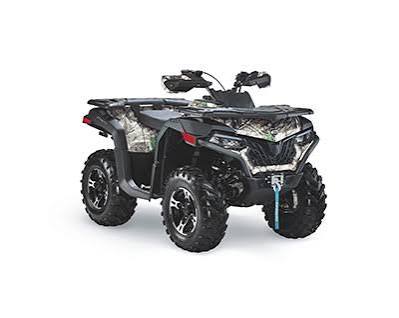
If you’re shopping for a mid-size ATV, comparing it against a Polaris Sportsman 570 or a Can-Am Outlander 450/570, or trying to figure out why your machine is overheating on the trail, the CForce 600 engine is the part of the equation that decides everything else. It’s the single-cylinder, liquid-cooled powerplant CFMoto built to go head-to-head with the most popular mid-displacement utility quads on the market — and understanding exactly what’s under the hood, how it’s changed over the years, and where it tends to fail is the difference between a confident purchase and an expensive surprise down the road.
This guide pulls together verified manufacturer specifications, model-year context, real owner-reported failure patterns, and maintenance data into a single reference. Whether you’re deciding if a used 2019 CForce 600 is a safe buy, wondering why your machine keeps overheating in the mud, or simply comparing this engine against the class leaders before you spend your money, you’ll find the specific numbers and specific failure points here — not marketing copy recycled from a dealer brochure.
We’ll cover the engine’s full specification sheet, how the platform evolved, the maintenance schedule that actually keeps it alive, the most common complaints from real owners, how it stacks up against competing engines, total cost of ownership, and a set of frequently asked questions sourced directly from what people are actually searching for about this machine. By the end, you’ll be equipped to evaluate a CForce 600 with the same confidence as someone who has already owned one, whether you’re standing in a dealership showroom or inspecting a private-party listing in someone’s driveway.
CForce 600 Engine Overview: What’s Actually Under the Hood
The CForce 600 engine is a 580cc, liquid-cooled, four-stroke single-cylinder engine with a single overhead camshaft (SOHC) and four valves. CFMoto designed and manufactures this engine in-house at its Hangzhou, China facility, which places the CForce 600 in the same in-house engineering tradition as the rest of CFMoto’s large-displacement lineup, including the CForce 1000’s 963cc V-twin. Fuel delivery runs through a Bosch electronic fuel injection (EFI) system, and power reaches the wheels through a CVTech-supplied CVT (continuously variable transmission) with high and low range.
It’s worth clarifying a point of confusion that shows up frequently in used-market research: the CForce 600 nameplate that CFMoto sells in North America today — the 580cc, EFI, single-cylinder machine most owners and reviewers mean when they say “CForce 600” — was introduced as new for the 2019 model year, positioned specifically to compete with the Arctic Cat, Can-Am, and Polaris 570-class quads. Some parts catalogs and technical-spec databases reference an earlier “CForce 600” nameplate dating back to around 2015 with different, smaller-displacement specifications; that earlier unit reflects CFMoto’s broader global model naming rather than the 580cc engine most North American buyers encounter on dealer lots and used listings today. If you’re researching a specific model year, always confirm displacement and specs directly against the VIN or the model year in question, since CFMoto’s naming conventions have not always mapped cleanly onto a single continuous engine across every market.
For the purposes of this guide, we’re focused on the 580cc CForce 600 platform as it has been sold and refined across North American production years, since that’s the version the overwhelming majority of buyers, owners, and search queries are actually asking about.
Where the CForce 600 Fits in CFMoto’s Lineup
CFMoto structures its ATV lineup around a series of displacement steps: the CForce 400 and 500 occupy the entry-level segment, the CForce 600 sits squarely in the mid-size utility class, the CForce 800 bridges the gap toward full-size, and the CForce 1000 tops the range as the flagship. This ladder approach mirrors how Polaris, Can-Am, and Honda structure their own lineups, which is precisely why the CForce 600 gets cross-shopped so directly against the Sportsman 570 and Outlander 570 — these are the machines occupying the equivalent rung on competitors’ displacement ladders. Understanding this positioning matters for buyers: the CForce 600 isn’t trying to be a full-size hauler or a high-speed sport quad, it’s engineered specifically as a do-everything mid-size utility machine, and its strengths and weaknesses should be evaluated against that specific use case rather than against a larger or smaller class of ATV.
Why the CForce 600 Engine Matters for Buyers
Three things define this engine’s position in the market:
- Direct competition with the 570-class leaders. CFMoto built the 600 specifically to challenge the Can-Am Outlander 570 and Polaris Sportsman 570 — two of the best-selling mid-size utility ATVs in North America — on both price and standard equipment.
- Simplified, fully-loaded trim strategy. Unlike competitors that offer a confusing range of trim levels for the same displacement, CFMoto sells the CForce 600 in a single, fully-equipped configuration: automotive paint, cast-aluminum wheels, electronic power steering, and a factory winch all come standard rather than as pricey add-ons.
- Single-cylinder simplicity with liquid cooling. A single-cylinder engine has fewer moving parts and potential failure points than a twin, and liquid cooling (rather than air cooling) gives the CForce 600 more stable running temperatures and a longer expected working life than a comparable air-cooled single.
A Brief History of the Platform
CFMoto’s decision to introduce the CForce 600 in 2019 was a calculated move into the most competitive segment of the utility ATV market. Rather than launching a tentative first attempt, CFMoto brought a fully-equipped machine to market at a price that undercut the established Can-Am and Polaris 570-class competitors by a significant margin, while matching or exceeding their standard equipment list. The CForce 600 received an updated body and panel redesign for the 2021 model year, adding weather-resistant cargo compartments and an easier-to-read digital gauge cluster, even though the core engine architecture carried over unchanged. This pattern — refining the chassis and electronics around a stable core engine — mirrors how CFMoto has managed the rest of its large-displacement lineup, including the CForce 1000.
Engine Architecture Deep Dive
Understanding the CForce 600’s engine architecture helps explain both its strengths and its most commonly reported weak points.
Single-Cylinder Design and Vibration Characteristics
A single-cylinder, 580cc engine inherently produces more per-cycle vibration than a comparable twin-cylinder engine of similar total displacement, since all the combustion events happen in one cylinder rather than being staggered across two. CFMoto manages this with appropriate engine mounting and balance shaft design, but owners coming from a V-twin machine like the CForce 1000 will notice a more pronounced pulse at idle and low RPM — a normal characteristic of the single-cylinder architecture rather than a defect.
Valve Train and Breathing
The SOHC, 4-valve cylinder head design balances mechanical simplicity against airflow efficiency. This configuration supports the CForce 600’s torque-focused tuning, which favors strong low-to-midrange pull for towing and technical trail work over high-RPM horsepower — a sensible choice for a utility-focused ATV rather than a sport quad.
Fuel Injection and Engine Management
The Bosch EFI system manages fuel delivery based on throttle position, intake air temperature, and engine temperature sensors. Because EFI systems rely on clean sensor readings and unobstructed airflow to the intake, several of the platform’s most commonly reported issues — throttle response problems and difficulty in high gear — trace back to a dirty air filter or a fouled throttle position sensor rather than a failure of the fuel injection system itself.
Cooling System Design: The Platform’s Signature Weak Point
If there’s one design element that defines the CForce 600’s reputation among owners, it’s the radiator’s mounting position and accessibility. Multiple independent owner accounts describe the radiator as difficult to access for cleaning, positioned in a way that makes it prone to clogging with mud, dirt, and dried sand depending on riding conditions. This isn’t a flaw unique to one bad batch of machines — it’s a structural characteristic of the platform’s cooling system layout that every CForce 600 owner should understand and actively manage rather than discovering the hard way on the trail.
CVT and Drive System
Power reaches the wheels through a CVTech-supplied CVT with selectable high and low range, a setup shared conceptually with CFMoto’s larger displacement machines. Because the CVT and its housing sit close to the engine bay, debris that accumulates in one area — mud on the radiator, dust in the air intake — often correlates with reduced airflow to the CVT as well, which is part of why belt wear and overheating complaints on this platform tend to show up together in owner accounts rather than as isolated, unrelated issues.
Exhaust and Emissions Tuning
The CForce 600’s exhaust system is tuned to meet EPA and, where applicable, CARB emissions standards for off-highway vehicles while still delivering the low-end torque character the engine is known for. This tuning represents a trade-off familiar to anyone who has compared a modern EFI-equipped utility ATV against an older carbureted machine: cleaner combustion and more consistent cold-start behavior, in exchange for slightly more complex fault diagnosis when something does go wrong, since emissions-tuned EFI systems rely on multiple interacting sensors rather than a simple mechanical carburetor.
Electronic Power Steering Integration
CFMoto includes electronic power steering (EPS) as standard equipment on the CForce 600, a feature some competitors reserve for higher trim levels at this displacement. The EPS system draws on the same electrical architecture and battery health that affects starting reliability and other electrical complaints discussed later in this guide, which is another reason battery and charging-system health deserves consistent attention on this platform — a weak battery doesn’t just risk hard starting, it can also degrade EPS assist quality and responsiveness.
Frame and Engine Mounting
The CForce 600’s engine mounts within a steel tube-frame chassis, with mounting points designed to manage the vibration characteristics of the single-cylinder architecture discussed above. Because the engine, CVT, and radiator all share proximity within a relatively compact chassis footprint compared to the larger CForce 1000, thermal and vibration interactions between these systems are somewhat more pronounced — reinforcing why the maintenance habits in this guide treat cooling, CVT, and engine health as interconnected rather than fully independent concerns.
Full CForce 600 Engine Specifications
Below is the core specification sheet for the CForce 600 engine as sold in North America across its production run.
| Specification | Detail |
|---|---|
| Engine type | Liquid-cooled, 4-stroke, SOHC, single-cylinder |
| Displacement | 580cc |
| Fuel delivery | Bosch electronic fuel injection (EFI) |
| Cooling system | Liquid-cooled, single radiator, electric fan |
| Horsepower | Approximately 40–45 hp depending on model year |
| Torque | Approximately 38 lb-ft (51.5 Nm) |
| Transmission | CVT (CVTech), high/low range |
| Drive modes | 2WD / 4WD (trim-dependent) |
| Recommended oil | SAE 10W-40 (synthetic or synthetic blend), API SL / JASO MA2 rated |
| Oil capacity | Approximately 1.8 liters |
| Oil change interval | Per owner’s manual service interval (commonly every 50 hours or seasonally) |
| Curb weight | Approximately 800–850 lbs depending on trim |
| Towing capacity | Approximately 1,500 lbs on later trims (873 lbs cited on some earlier configurations) |
| Ground clearance | Approximately 10.6 inches |
| Introduction (North American 580cc platform) | 2019 model year |
A note on the numbers: CFMoto’s published horsepower figures for the CForce 600 have generally stayed within a relatively narrow band compared to the CForce 1000’s wider spread across model years, with output commonly cited around 40–45 hp depending on the specific model year and source. Towing capacity figures also vary by source and trim — always confirm the exact figure for your model year against your owner’s manual rather than relying on a single third-party listing.
Model Year Changes: A Timeline
Introduction (2019)
The CForce 600 launched as an entirely new model for CFMoto in 2019, growing the engine to 580cc and roughly 40 horsepower specifically to compete head-to-head with the Arctic Cat, Can-Am, and Polaris 570-class quads. This was a deliberate step up from CFMoto’s existing CForce 500, positioned as an evolution of that smaller platform rather than a completely separate engineering effort — though CFMoto gave the 600 distinctly different bodywork from the 500 rather than treating it as a simple displacement bump.
Early Ownership Feedback (2019–2020)
Early owner accounts from this window are broadly positive on value and capability, with reports of the CForce 600 keeping pace with larger, more expensive “big name brand” machines on group rides and handling mixed terrain — mud, dry trails, farm fields, and trailer-hauling — without major complaint. The most consistently reported issue from this era centers on radiator accessibility: multiple owners describe overheating on a first outing specifically because the back of the radiator clogged with mud and was difficult to access and clean, in one case requiring a dealer visit to resolve.
Body and Feature Refresh (2021)
CFMoto refreshed the CForce 600’s bodywork and panels for the 2021 model year while carrying over the core 580cc engine unchanged. This refresh added weather-resistant front and rear cargo compartments and an easier-to-read multi-function digital gauge, improving day-to-day usability without altering the platform’s fundamental mechanical character or its known radiator-access characteristic.
Continued Production Through 2024
Through 2023 and 2024, the CForce 600 continued as a stable, mature platform within CFMoto’s utility ATV lineup, with full-service parts kits and dealer support well established by this point. By 2024, this represented a five-year-refined version of the 2019-introduced platform, benefiting from an established dealer parts network and a large enough owner base to have generated the detailed independent troubleshooting guides referenced throughout this article.
Why This Timeline Matters When Buying Used
Unlike the CForce 1000, which saw meaningful ECU and CVT recalibration across its production run, the CForce 600’s core engine has remained comparatively stable since its 2019 introduction — meaning a 2019 and a 2024 CForce 600 are mechanically closer cousins than the equivalent comparison would be on the 1000 platform. This makes maintenance history and radiator/cooling-system condition a more consistent priority across every model year of this specific engine, rather than a concern isolated to early production. It also means that, unlike shopping for a CForce 1000 where model-year-specific calibration updates can meaningfully change the ownership experience, a CForce 600 buyer’s primary diligence should focus almost entirely on how well a given unit’s radiator and cooling system have been maintained, regardless of which year within this production run you’re considering.
CForce 600 Horsepower and Performance Explained
The CForce 600’s single-cylinder, 580cc engine is tuned for exactly the kind of work a mid-size utility ATV is expected to do: steady, usable torque at low-to-moderate RPM rather than high-revving sport performance. At roughly 40–45 horsepower and 38 lb-ft of torque, it sits in direct competition with the Can-Am Outlander 570 and Polaris Sportsman 570 on paper, and multiple independent test reviews have found it holds its own against those established rivals despite typically costing meaningfully less at the dealership.
High Gear vs. Low Gear Behavior
One performance characteristic worth understanding before you buy: several owners and independent troubleshooting guides describe a specific complaint where the CForce 600 runs fine in low gear but exhibits poor throttle response — RPM climbing without a corresponding increase in power — when shifted into high gear. This is most often traced back to a dirty air filter, a fouled throttle position sensor, or clogged fuel injectors rather than a fundamental engine problem, and it’s one of the clearest examples on this platform of a symptom that looks like a serious mechanical fault but usually resolves with basic maintenance.
Fuel Economy
As a smaller-displacement single-cylinder engine, the CForce 600 generally delivers competitive fuel economy for its class, particularly when well-maintained with a clean air filter and properly functioning fuel injectors. As with the CForce 1000, a sudden, unexplained drop in fuel economy is a useful early warning sign worth investigating rather than ignoring, since it frequently points toward a fuel delivery or air intake issue before that issue becomes a larger problem.
Towing, Payload, and Real-World Work Capacity
The CForce 600 is marketed and used heavily as a work-duty machine — hauling gear, dragging game out of the woods, plowing snow, and towing utility trailers around a property. Later trims are rated for approximately 1,500 lbs of towing capacity paired with a standard 2-inch receiver, putting it in a genuinely useful range for most homeowner and light-farm applications, though buyers should confirm the exact rated capacity for their specific model year rather than assuming a single figure applies universally across the platform’s production run.
Practical Guidance for Work-Duty Owners
Because sustained towing and plowing place continuous load on both the engine’s cooling system and the CVT, work-duty CForce 600 owners should treat radiator cleaning as a near-constant habit rather than a seasonal task — precisely because the platform’s radiator-access difficulty means problems can go unnoticed until overheating symptoms actually appear. Owners using the machine primarily for towing or plowing should also inspect the CVT belt and housing more frequently than a strictly recreational rider would need to, since sustained load accelerates wear on both the belt and the surrounding cooling ducts. Establishing this routine from the first week of ownership, rather than after a first overheating scare, is the difference between a work-duty CForce 600 that lasts for years and one that generates repeated, avoidable dealer visits.
Plowing-Specific Considerations
Snow plowing places a distinct set of demands on the CForce 600 compared to summer towing or hauling: sustained low-speed operation, frequent direction changes, and cold-weather starting all converge in a single use case. Low-speed operation is exactly the condition under which radiator airflow is naturally reduced, which means plow-duty owners should pay particularly close attention to fan operation and consider the aftermarket fan relay upgrade discussed later in this guide if their machine’s stock fan doesn’t activate promptly at low speed. Cold-weather starting reliability also becomes more important for plow-duty owners, reinforcing the value of maintaining strong battery health heading into winter months.
Hauling Game and Technical Trail Work
For hunters and off-trail users, the CForce 600’s torque-focused tuning and low-range gearing make it well suited to slow, technical terrain — precisely the kind of use case where the single-cylinder engine’s low-end torque advantage over a smaller-displacement machine becomes most apparent. As with plow duty, this use case involves extended low-speed operation, which again points back to radiator airflow as the maintenance priority that matters most for this specific type of owner.
Oil, Fluids, and the Maintenance Schedule That Matters
More CForce 600 engine complaints trace back to maintenance timing and radiator cleanliness than to any inherent flaw in the engine block itself. Here’s the maintenance baseline that keeps this engine running reliably.
Recommended Oil
CFMoto specifies an SAE 10W-40 oil, synthetic or synthetic blend, rated to API SL and JASO MA2 specifications for the CForce 600 engine — the same oil family recommended across most of CFMoto’s ATV and UTV lineup, including the CForce 1000. The JASO MA2 rating is essential because it confirms the oil is friction-tested for wet-clutch and CVT compatibility; using a non-rated automotive oil risks clutch and CVT belt slippage over time.
Oil Capacity and Change Interval
Full-service kits for the CForce 600 typically specify roughly 1.8 liters of oil capacity, along with a matched oil filter, air filter, spark plug, and gear oil for the differential. Exact intervals are published in your specific model year’s owner’s manual, but a 50-hour or seasonal cadence — whichever comes first — is the general guidance that mirrors CFMoto’s broader lineup recommendations.
Baseline Maintenance Schedule
| Interval | Task |
|---|---|
| First 20–25 hours (break-in) | Initial oil and filter change |
| Every 50 hours or seasonally | Oil and filter change |
| After every muddy or dusty ride | Radiator inspection and cleaning |
| Every ride in dusty conditions | Air filter inspection and cleaning |
| Annually or per manual | Coolant system inspection and flush |
| As needed | Spark plug inspection/replacement, CVT belt inspection |
| Before storage | Fuel stabilization, battery disconnect or maintenance charge |
Why Radiator Maintenance Deserves Its Own Line Item
Given how consistently radiator clogging shows up across independent troubleshooting guides and owner accounts for this specific platform, it’s worth treating radiator cleaning as its own dedicated maintenance task rather than folding it into a general “clean the machine” habit. Owners riding primarily in mud, sand, or dusty conditions should plan to inspect — and likely clean — the radiator after nearly every significant outing, not on a fixed calendar schedule, because accumulation happens unevenly depending on conditions encountered that specific day.
Step-by-Step Maintenance Procedures
Changing the Oil on a CForce 600
- Warm the engine briefly, then shut it off and allow it to cool to a safe-to-touch temperature.
- Park on a level surface and access the drain plug per your model year’s service panel layout.
- Position a drain pan, remove the drain plug, and allow the oil to fully drain.
- Replace and torque the drain plug to the manufacturer-specified value.
- Remove the old oil filter, apply a thin film of fresh oil to the new filter’s gasket, and install it snugly by hand.
- Refill with approximately 1.8 liters of the correct SAE 10W-40 oil, then verify the level against the sight glass or dipstick.
- Start the engine and check for leaks before considering the service complete.
Cleaning the Radiator (The Platform’s Most Important Recurring Task)
- Confirm the engine is cold before beginning any radiator work.
- Rinse the radiator and grille with a garden hose rather than a pressure washer, since high-pressure water can bend delicate radiator fins or force debris deeper into the core.
- For heavy or caked mud, remove the radiator grille where accessible and soak it in an all-purpose cleaner before rinsing thoroughly from both the front and back.
- Inspect fins for bending or damage during cleaning, since bent fins reduce airflow even after debris is removed.
- Check coolant level after cleaning and top off if needed, since low coolant compounds any airflow-related cooling issue.
Bleeding Air From the Cooling System (After an Overheating Event)
- Raise the front end of the machine — parking on a hill or using a lift — to help air rise toward the radiator cap.
- Confirm the engine is cold and has not been recently run.
- Remove the radiator cap and fill with coolant until it slightly overflows, allowing trapped air to escape.
- Watch for continued bubbling; if bubbling doesn’t subside after a reasonable bleed attempt, this can indicate a blown head gasket rather than simple air entrapment, and warrants a professional diagnosis before further riding.
Air Filter Inspection
- Locate and open the air box per your model year’s service procedure.
- Remove and inspect the filter element for dust saturation or damage.
- Clean or replace per filter type, and inspect the air box seal carefully during reinstallation.
- Reinstall with a complete seal, since a compromised seal allows dust ingestion that directly contributes to the throttle response and high-gear power complaints discussed earlier.
Common CForce 600 Engine Problems (and How to Fix Them)
Below are the failure patterns that show up most consistently across owner forums, dealer service threads, and independent repair guides for this platform.
1. Engine Overheating
Symptom: Rapidly rising temperature gauge, steam from the engine bay, or a strong coolant smell. Cause: This is the single most frequently reported CForce 600 issue, and it traces back overwhelmingly to a clogged radiator — mud, dirt, and dried sand accumulate in a radiator position that’s genuinely difficult to access for cleaning on this platform. Secondary causes include a faulty fan relay or coolant temperature sensor preventing the cooling fan from activating on time, low coolant levels, or a failing water pump. Fix: Clean the radiator and grille regularly, especially after muddy or sandy rides — this single habit prevents the large majority of reported cases. If the fan doesn’t trigger appropriately, verify the fan relay and coolant temperature sensor before assuming a more serious fault. If overheating has already occurred, bleed the cooling system per the procedure above and watch closely for continued bubbling, which can indicate head gasket damage from the overheating event itself.
2. Poor Throttle Response or Power Loss in High Gear
Symptom: RPM climbs without a corresponding increase in power specifically when shifted into high gear, effectively limiting the rider to low gear only. Cause: A malfunctioning throttle position sensor, a dirty air filter, or clogged fuel injectors are the primary documented causes. Fix: Start with the air filter — it’s the cheapest and most accessible check — before moving to the throttle position sensor and, if needed, professional fuel injector cleaning or replacement. This is a case where cheap, simple maintenance resolves a complaint that initially looks like a major driveline fault.
3. Shifting and Transmission Problems
Symptom: Difficulty shifting, grinding noise from the gearbox, or the machine struggling on inclines and hilly terrain. Cause: The CForce 600 uses a connecting rod-based shift mechanism, and problems here are among the most frequently reported first-symptom complaints on this platform, occurring even before starting issues in some owner accounts. Fix: Inspect the shift linkage for proper alignment and adjust as needed; have a technician inspect shift forks for wear if grinding persists after linkage adjustment. Regular transmission fluid checks and using the correct gear range for terrain (rather than forcing high range on technical trails) reduce the likelihood of this complaint developing in the first place.
4. Hard or Difficult Starting
Symptom: Extended cranking before the engine fires, especially in cold weather. Cause: This is a commonly reported complaint across owner accounts, generally tied to battery condition, cold-weather cranking demands, or occasionally a fuel delivery issue. Fix: Test battery voltage before assuming a deeper fault, and ensure the battery is fully charged heading into cold-weather riding. Clean and inspect all electrical connections as a second step if voltage checks out normal.
5. Electrical Glitches and Dimming Headlights
Symptom: Intermittent electrical faults, dimming headlights, or inconsistent gauge readings. Cause: Faulty electrical components, corroded wiring, or a struggling charging system are the most commonly cited root causes. Fix: Inspect wiring, fuses, and connections systematically, and test the battery’s voltage output under load rather than just at rest. Address corrosion or damaged wiring immediately, since electrical gremlins on this platform tend to compound if left unaddressed.
6. Front Suspension Noise
Symptom: Clunking, knocking, or squeaking from the front end over bumps. Cause: Worn ball joints, tie rods, or bushings are the typical culprits, consistent with normal wear-item degradation on any ATV subjected to rough trail use. Fix: Have the front suspension inspected for worn components at the first sign of noise, since these are standard wear items that are straightforward to replace before they progress into steering play or handling issues.
7. CVT Belt Wear From Restricted Airflow
Symptom: Accelerated belt wear or a burning smell from the CVT housing. Cause: Debris accumulation in the CVT intake and exhaust ducts — often the same mud and dust that clogs the radiator — restricts airflow and accelerates belt wear. Fix: Keep CVT intake and exhaust vents clean as part of the same maintenance routine used for radiator cleaning, since these two systems tend to suffer from the same root cause on this platform.
Diagnostic Order That Saves Money
Given how many CForce 600 symptoms trace back to a small number of root causes — a dirty radiator, a dirty air filter, or a weak battery — the most efficient troubleshooting order is: (1) check the radiator and clean if needed, (2) check and clean or replace the air filter, (3) test battery voltage, and only then (4) move on to sensor-level or component-level diagnosis. This sequence resolves a disproportionate share of reported CForce 600 complaints before any parts need to be ordered.
Reading Warning Signs and Diagnosing Overheating
Because overheating is this platform’s signature complaint, it’s worth walking through the escalation pattern in detail so owners can intervene before serious damage occurs.
- Stage one — restricted airflow: A gradually rising temperature gauge during sustained riding, especially at low speed or while idling, often indicates the radiator isn’t getting adequate airflow. This is the point at which cleaning the radiator resolves the issue with no lasting damage.
- Stage two — active overheating: A rapidly climbing gauge, visible steam, or a strong coolant smell indicates the engine is actively overheating and riding should stop immediately. Continuing to ride at this stage risks head gasket damage.
- Stage three — air in the cooling system: If the fan doesn’t trigger in time and the engine overheats, air can enter the cooling system, which then struggles to circulate coolant effectively — creating a cycle where the engine continues overheating even after the initial cause (like a clogged radiator) has been addressed, until the air is properly bled out.
- Stage four — head gasket risk: Any time the engine has overheated, the head gasket is at elevated risk of failure. If bleeding the cooling system doesn’t resolve continued bubbling or overheating, a head gasket inspection by a qualified technician is the appropriate next step rather than continuing to ride and hope the symptom resolves itself.
Catching this pattern at stage one — through the radiator-cleaning habit emphasized throughout this guide — is dramatically cheaper and less risky than addressing it at stage three or four.
Warranty Coverage and Common Claim Pitfalls
As with the rest of CFMoto’s lineup, the CForce 600’s factory warranty structure includes shorter coverage windows for specific wear-adjacent items — batteries, spark plugs, and air filters typically fall under an initial 30-day window, while belts and other drivetrain components often carry a 90-day window, with the core engine and frame covered under a longer standard term. Given how central radiator maintenance is to this platform’s reliability, documenting your cleaning and service routine is particularly valuable here: a warranty claim related to overheating damage is far more likely to be honored when the owner can demonstrate a consistent maintenance history rather than leaving the dealer to assume neglect. Keeping dated photos or receipts of radiator cleaning alongside standard oil-change documentation is a small habit that can pay off significantly if a cooling-system-related claim ever becomes necessary.
Checking for Recalls
Before purchasing a used CForce 600, or after purchasing new, checking the VIN against the National Highway Traffic Safety Administration’s recall database is a quick, free step that confirms whether any manufacturer safety recalls apply to your specific unit. CFMoto, like every major powersports manufacturer, has issued recalls across its lineup over the years, and confirming any applicable recall work has been completed is a basic but often-overlooked step in both new and used ownership. This single check takes only a few minutes and costs nothing, yet it’s skipped surprisingly often by buyers who focus exclusively on mechanical inspection while overlooking documented safety issues that a manufacturer has already identified and offered to remedy at no cost.
How Long Does a CForce 600 Engine Really Last?
Owner experiences with the CForce 600 vary more widely than with some competing platforms, largely tracing back to how consistently individual owners manage the radiator-cleaning habit this guide emphasizes. Some owners report thousands of miles of problem-free operation across mud, dry trails, farm work, and extended group rides; others report chronic issues requiring multiple dealer visits. Independent repair resources describe this pattern directly: quality control experiences are genuinely mixed across the ownership base, making proper maintenance — rather than luck — the deciding factor in long-term reliability far more than it might be on a platform with more forgiving cooling system design.
The factors most consistently linked to a long, trouble-free CForce 600 ownership experience are: disciplined radiator cleaning after every muddy or dusty outing, regular air filter maintenance, prompt attention to any overheating event (including a full cooling system bleed), and addressing small electrical or suspension complaints before they compound. Given the platform’s cooling-system design as its defining vulnerability, an owner who takes radiator maintenance seriously is positioned to get significantly more trouble-free life out of this engine than the mixed reputation across all owners might otherwise suggest.
What “Trouble-Free” Actually Means in Practice
It’s worth being precise about what owner-reported experiences on this platform actually represent, since the phrase “reliable” gets used loosely in ATV marketing and forum discussion alike. A CForce 600 that’s had its radiator cleaned regularly, its oil changed on schedule, and its air filter checked after dusty rides isn’t “getting lucky” when it runs trouble-free for years — it’s simply receiving the maintenance the platform was designed around. Conversely, a machine that overheats within its first season isn’t necessarily evidence of a defective unit; in the majority of documented cases, it’s evidence of a maintenance gap around the platform’s known weak point. Separating “this platform requires disciplined cooling-system maintenance” from “this platform is unreliable” is the single most important mental adjustment a prospective CForce 600 owner can make before purchase, and it’s the adjustment this entire guide has been built around.
Engine Hours vs. Odometer Mileage
As with any ATV, engine hours often tell a more accurate story than odometer mileage alone, since a machine used for slow, technical trail work or extended idling while hunting accumulates wear differently than one primarily used for higher-speed trail riding. When evaluating a used CForce 600’s likely remaining lifespan, weigh engine hours (where the dashboard displays them) alongside mileage, and factor in how much of that time was likely spent at low speed or idle — conditions that, as discussed earlier, correlate with reduced radiator airflow and elevated overheating risk on this specific platform.
What Separates a 15-Year Owner From a One-Season Owner
The clearest pattern across the owner accounts and independent repair guides reviewed for this article isn’t about luck or a “good” versus “bad” individual unit — it’s about whether an owner internalizes the radiator-cleaning habit early, ideally from the very first ride, rather than learning it the hard way after a first overheating incident. Owners who treat radiator cleaning as routine as checking tire pressure report considerably fewer downstream complaints across every other category covered in this guide, from CVT belt wear to electrical gremlins, since so many of this platform’s secondary issues trace back to the same root cause of restricted airflow.
CForce 600 vs. Competing Engines: Polaris, Can-Am, and Honda
The CForce 600 was purpose-built to compete in the 570cc-class utility ATV segment, so this is the most directly relevant comparison for most buyers.
| Metric | CFMoto CForce 600 | Polaris Sportsman 570 | Can-Am Outlander 450/570 | Honda Foreman 520 |
|---|---|---|---|---|
| Displacement | 580cc single-cylinder | 570cc single-cylinder | 450cc–570cc single-cylinder (Rotax) | 518cc single-cylinder |
| Engine origin | In-house CFMoto | In-house Polaris | In-house Rotax (BRP) | In-house Honda |
| Approx. horsepower | 40–45 hp | Comparable, class-typical | Comparable, class-typical | Slightly lower, torque-focused |
| Typical MSRP position | Notably lower | Higher | Higher | Higher |
| Standard equipment | Fully loaded as standard (winch, EPS, cast wheels) | Often tiered by trim | Often tiered by trim | Often tiered by trim |
| Aftermarket support | Growing, smaller than legacy brands | Extensive, long-established | Extensive, long-established | Extensive, long-established, strong reliability reputation |
| Known weak point | Radiator access/clogging | Established track record | Established track record | Very few documented systemic issues |
Where the CForce 600 Wins
Independent testing has found the CForce 600 competitive with — and in some respects a genuine value leader against — the established Can-Am and Polaris 570-class machines, particularly because CFMoto includes electronic power steering, a winch, and automotive paint as standard equipment rather than reserving them for a higher trim tier. For budget-conscious buyers, this can mean getting a comparably-equipped machine for a meaningfully lower price than the legacy brands.
Where Legacy Brands Still Win
Honda’s Foreman/Rubicon lineup in particular carries a long-standing reputation for near-bulletproof reliability that the CForce 600 — with its documented radiator-access weakness and mixed owner-quality feedback — hasn’t yet matched over an equivalent multi-decade track record. Polaris and Can-Am also benefit from larger dealer and independent-mechanic networks familiar with their specific quirks, along with generally stronger resale value.
The Honest Takeaway for Buyers
If you’re comfortable staying disciplined about radiator maintenance and want the most standard equipment for your money, the CForce 600 delivers genuine value in this class. If you prioritize the longest possible reliability track record and the widest dealer network, Honda’s single-cylinder utility ATVs remain the benchmark this platform is still working to match.
A Deeper Look at the Honda Comparison
It’s worth spending a moment on why Honda specifically comes up so often in CForce 600 comparisons. Honda’s Foreman and Rubicon single-cylinder engines have built their reputation over multiple decades of production with comparatively few systemic design issues reported at scale — a track record that simply takes time to build regardless of how well-engineered a newer platform might be. This doesn’t mean the CForce 600’s engine is inferior in a vacuum; it means Honda has had far longer to identify and eliminate the kind of platform-specific weak points — like the CForce 600’s radiator access issue — through generations of iterative refinement. A fair comparison acknowledges both realities: CFMoto’s engineering has closed much of the performance and equipment gap, while Honda retains an edge in accumulated reliability data that no amount of clever engineering can shortcut.
A Deeper Look at the Can-Am and Polaris Comparison
Can-Am’s Rotax-built engines and Polaris’s in-house engines both benefit from decades of dedicated ATV-specific engineering investment, along with dealer networks that are, in most regions, considerably larger and more established than CFMoto’s. This translates into practical advantages for owners beyond the spec sheet: faster access to warranty service, a deeper bench of independent mechanics who’ve seen a given issue before, and generally stronger resale value at trade-in time. The CForce 600 competes on price and standard equipment rather than trying to out-muscle these advantages directly, which is a sound strategy but one buyers should weigh honestly against their own priorities — particularly how much they value dealer network breadth versus upfront savings.
Total Cost of Ownership
| Cost Category | CForce 600 Consideration |
|---|---|
| Purchase price | Notably lower than comparably-equipped Polaris/Can-Am 570-class trims |
| Routine maintenance (oil, filters) | Comparable to class competitors; roughly 1.8L oil capacity |
| Radiator maintenance time cost | Higher than typical for the class, given documented access difficulty |
| Parts availability | Improving steadily; full-service kits widely available from CFMoto and aftermarket suppliers |
| Extended warranty cost | Worth weighing against documented failure patterns, as with the broader CFMoto lineup |
| Resale value | Generally softer than Honda, Polaris, or Can-Am equivalents |
The radiator-access issue deserves a specific cost-of-ownership mention: while cleaning itself is inexpensive, the extra time and attention required compared to a more accessible radiator design is a real, ongoing cost of owning this platform — one that’s easy to underestimate until you’re the one trying to reach the back of the radiator core after a muddy ride. Budgeting a small amount of recurring time, rather than money, into your ownership expectations is the most accurate way to think about this particular cost category.
Buying a Used CForce 600: An Inspection Checklist
Documentation to Request
- Ask for maintenance receipts, with particular attention to any documented overheating events and how they were resolved.
- Ask directly whether the machine has ever overheated, given how central this complaint is to the platform’s known issues — a seller’s answer (and body language) here is genuinely informative.
Physical Inspection Steps
- Inspect the radiator directly for mud, dirt, or debris accumulation, and ask when it was last cleaned.
- Check for bent or damaged radiator fins, which can indicate a past pressure-washing mistake or physical impact.
- Start it cold and listen for extended cranking, which can point to battery or electrical issues.
- Shift through low and high gear during a real test ride, watching specifically for the RPM-climbs-without-power symptom described in the problems section.
- Listen for front suspension noise over bumps during the test ride.
- Inspect the CVT belt and housing for glazing, cracking, or visible debris accumulation.
Behavioral and Contextual Clues
- Ask about typical riding conditions — mud, sand, dry trail, farm use — since this directly predicts how aggressively the radiator and air filter need to have been maintained.
- Take a genuine test ride under load if possible, since several of this platform’s key complaints (throttle response in high gear, overheating under sustained use) don’t reliably surface during a short driveway test.
Red Flags That Should Lower Your Offer or End Negotiations
- Evidence of a past overheating event without a documented professional cooling-system bleed or repair.
- A radiator that’s visibly caked with old, hardened mud, suggesting a pattern of neglect rather than a one-time lapse.
- Any hesitation from the seller when asked directly about overheating history.
Negotiating With Confidence
Armed with the platform-specific knowledge in this guide, you’re in a stronger negotiating position than a buyer relying on a generic ATV inspection checklist. If you find a radiator with moderate mud accumulation but otherwise clean maintenance records, that’s a legitimate, quantifiable negotiating point — factor in the cost of your time to clean it properly, or ask the seller to have it professionally cleaned before finalizing the sale. If the machine has a documented history of overheating events that were promptly addressed, that’s actually a more reassuring sign than a machine with no history at all, since it demonstrates the previous owner understood and responded appropriately to this platform’s known characteristic rather than ignoring it until a bigger problem developed.
Storage, Winterization, and Off-Season Care
- Clean the radiator thoroughly before storage, rather than leaving accumulated mud or debris to sit through the off-season.
- Stabilize the fuel to prevent varnish buildup that can contribute to hard-starting complaints.
- Disconnect the battery or use a maintenance charger, since cold-weather cranking demands make battery condition especially important for this platform’s documented hard-starting issue.
- Change the oil before storage, not just before the next riding season.
- Inspect and clean the air filter before storing, so the machine starts the new season with a clean intake path.
Upgrades and Modifications Worth Considering
- Aftermarket radiator screens or guards are a practical, low-cost addition that directly addresses this platform’s signature weak point by reducing how much debris reaches the radiator core in the first place.
- Upgraded air filtration reduces the risk of the dirty-air-filter-related throttle response complaint discussed earlier.
- CVT cooling duct maintenance kits or guards help protect against the belt wear pattern tied to restricted airflow.
- Aftermarket fan relay or temperature sensor upgrades can provide more aggressive, earlier fan activation for owners who ride frequently in hot climates or at sustained low speeds.
- Digital temperature gauges or aftermarket warning alarms give owners an earlier warning of rising engine temperature than a stock analog gauge might provide, allowing intervention at the “stage one” airflow-restriction point discussed in the diagnostics section rather than after active overheating has already begun.
- Skid plate upgrades protect the underside of the engine and CVT housing from rock strikes on technical trails, reducing the risk of an impact-related failure to either system.
A Word of Caution on Modifications
As with any ATV or UTV still under manufacturer warranty, weigh aftermarket modifications against your specific coverage status. Radiator screens, temperature gauges, and skid plates are generally low-risk, warranty-friendly additions since they protect factory components rather than replacing them. More invasive modifications — CVT clutch swaps, ECU tuning, or exhaust changes — carry more warranty risk and are better suited to machines already out of their coverage window.
Owner Community and Support Resources
Because CFMoto’s dealer network is smaller than legacy brands like Honda, Polaris, and Can-Am, owner communities play an outsized role in troubleshooting and parts sourcing for the CForce 600 platform. Independent CFMoto-focused forums and repair-guide websites host detailed, symptom-specific discussion threads — many of which are referenced throughout this guide — covering everything from the platform’s signature radiator complaint to routine maintenance questions.
Because the CForce 600 shares core design philosophy (in-house CFMoto engineering, EFI, CVT drivetrain) with the rest of CFMoto’s ATV and UTV lineup, general CFMoto troubleshooting knowledge — battery and grounding checks, air filter maintenance habits, CVT inspection procedures — transfers usefully across models even when a specific complaint is unique to the 600’s particular radiator design. When researching a specific symptom, cross-referencing multiple independent sources rather than relying on a single forum post gives a far more accurate picture of how widespread a given complaint actually is, and how much of it is use-condition-dependent rather than a fixed characteristic of every unit.
Riding Technique That Extends Engine and Cooling System Life
Beyond scheduled maintenance, a handful of riding habits meaningfully reduce wear on the CForce 600’s most vulnerable systems. Avoiding prolonged idling or extremely slow crawling in hot weather when possible — since airflow across the radiator is speed-dependent — reduces cumulative thermal stress on the cooling system. Selecting the correct gear range for the terrain, rather than defaulting to high range out of habit, reduces unnecessary strain on the CVT belt and clutch. And pausing periodically during extended mud rides to visually check the radiator, rather than waiting until a full outing is complete, allows an owner to catch and clear a developing clog before it progresses to an actual overheating event. None of these habits require any tools or expense — they’re simply awareness, applied consistently, and they compound meaningfully over the life of the machine.
Local CFMoto dealers, despite the smaller overall network, are typically well-versed in this platform’s specific known issues given how many CForce 600 units they’ve likely serviced, making a good dealer relationship a genuinely valuable resource for owners who’d rather not troubleshoot solo.
Sourcing Genuine vs. Aftermarket Parts
Owners maintaining a CForce 600 will inevitably face a choice between genuine CFMoto parts and aftermarket alternatives for items like oil filters, air filters, and CVT belts. Genuine CFMoto parts guarantee exact fitment and are the safer choice for any component still under warranty consideration, but a healthy aftermarket ecosystem has developed around this platform specifically because of its shared parts commonality with the rest of CFMoto’s CForce, ZForce, and UForce lineup — a filter or belt designed for one 580cc-adjacent model often fits several others in the range. Reputable aftermarket brands referenced by CFMoto specialty retailers include names like Hiflofiltro for oil filters and Maxima for engine oil, both of which meet or exceed factory specifications at a lower price point than dealer-branded equivalents. As with any aftermarket part, verifying fitment against your specific model year and trim before purchasing avoids the frustration of a part that’s close, but not quite correct, for your machine.
Common Myths About the CForce 600 Engine
Myth: “It Overheats Because It’s a Bad Engine”
The overheating complaints tied to this platform trace overwhelmingly to a radiator mounting and access design that makes routine cleaning harder than on some competitors — not to a fundamentally flawed combustion engine. Once the radiator is properly maintained, the underlying 580cc engine has proven capable of extended, reliable service across many owner accounts.
Myth: “Every CForce 600 Has the Same Reliability Record”
As independent repair resources note directly, ownership experiences with this platform are genuinely mixed, with some owners reporting thousands of trouble-free miles and others facing chronic issues. This variance correlates far more closely with maintenance discipline — particularly radiator cleaning — than with any inherent lottery of build quality.
Myth: “A Lower Price Means Lower Quality”
The CForce 600’s price advantage over Can-Am and Polaris 570-class competitors reflects CFMoto’s market positioning strategy and standard-equipment bundling, not an inherent quality gap in the core engine. Independent testing has repeatedly found the CForce 600 a genuine performance match for its pricier established rivals.
Climate and Environmental Performance Considerations
Hot-Climate and Sustained-Load Operation
Given the platform’s documented sensitivity to radiator airflow, hot-climate owners and those using the machine for sustained towing or plowing should treat cooling system maintenance as a higher priority than the standard schedule assumes. Owners in warm climates report the engine running notably hotter, especially at idle or while crawling slowly, precisely the conditions where airflow across the radiator is naturally reduced.
Cold-Weather Starting
Cold ambient temperatures increase cranking demand on the battery, directly connecting to the hard-starting complaint documented earlier in this guide. Ensuring a fully charged battery and clean electrical connections heading into cold-weather riding meaningfully reduces the likelihood of this issue.
Mud, Sand, and Water Crossings
Because mud and sand are the two most frequently cited causes of radiator clogging on this platform, riders who frequent these conditions should adopt the after-every-ride radiator inspection habit emphasized throughout this guide rather than a fixed calendar schedule.
Real Owner Scenarios: Matching This Guide to Your Situation
Scenario 1: “I’m Looking at a Used CForce 600 With No Service Records”
Prioritize a direct radiator inspection and a direct question to the seller about overheating history above almost everything else on this platform. Given how central cooling-system maintenance is to this engine’s long-term reliability, a clean radiator and a seller who can speak knowledgeably about maintenance are your strongest signals of a sound purchase.
Scenario 2: “My CForce 600 Runs Fine in Low Gear But Loses Power in High Gear”
Start with the air filter — it’s the cheapest, most accessible fix and resolves a large share of these complaints. If cleaning or replacing the filter doesn’t resolve it, move to the throttle position sensor and fuel injectors in that order before assuming a more serious transmission or engine fault.
Scenario 3: “I Ride Mostly in Mud and Sand”
You’re in the highest-risk use case for this platform’s signature weak point. Build radiator inspection into your after-every-ride routine, not a seasonal one, and consider an aftermarket radiator screen or guard to reduce how much debris reaches the core in the first place.
Scenario 4: “I Use My CForce 600 for Towing and Farm Work Daily”
Treat both radiator and CVT-duct cleaning as frequent, near-constant habits given the sustained load your use case places on the cooling and drivetrain systems. Shortening your oil change interval below the standard recommendation is also worth considering for daily heavy-duty use.
Scenario 5: “I’m Comparing a CForce 600 Against a Polaris or Can-Am 570”
If you’re comfortable with a slightly more hands-on cooling-system maintenance routine, the CForce 600’s lower price and fully-loaded standard equipment make it a genuinely competitive choice. If you’d rather not think about radiator access at all, the established reliability track record of Honda’s single-cylinder utility ATVs in particular may be worth the price premium for your peace of mind.
Frequently Asked Questions
How much horsepower does a CF Moto CForce 600 have? The CForce 600’s 580cc single-cylinder engine is commonly rated around 40–45 horsepower depending on the specific model year and source. This output is competitive with the Can-Am Outlander 570 and Polaris Sportsman 570, the two machines CFMoto designed the CForce 600 to compete against directly, while typically costing meaningfully less at the dealership for a comparably equipped machine.
How much does a CF Moto CForce 600 weigh? Curb weight for the CForce 600 generally falls in the 800–850 pound range depending on trim and equipment. This is lighter than the CForce 1000’s roughly 985-pound curb weight, consistent with the 600’s smaller single-cylinder engine and its position as a mid-size, rather than full-size, utility ATV in CFMoto’s broader lineup.
What kind of oil does a CFMOTO CForce 600 take? CFMoto specifies an SAE 10W-40 oil, synthetic or synthetic blend, rated to API SL and JASO MA2 specifications for the CForce 600 — the same oil family used across most of CFMoto’s ATV and UTV lineup. The JASO MA2 rating matters because it’s friction-tested for CVT and wet-clutch compatibility. Full-service kits typically specify roughly 1.8 liters of oil capacity for a complete change.
Why does my CFMoto CForce 600 keep overheating? Overheating on the CForce 600 traces overwhelmingly to radiator clogging from mud, dirt, or dried sand, made worse by a radiator position that’s genuinely difficult to access for cleaning. Secondary causes include a faulty fan relay, low coolant, or a failing water pump. Regularly cleaning the radiator after muddy or dusty rides resolves the large majority of reported overheating cases on this platform.
Is CFMoto a reliable brand? CFMoto has become a genuinely more reliable brand overall in recent model years, aided by improved manufacturing and a growing engineering partnership with KTM across its broader lineup. That said, the CForce 600 specifically shows more mixed owner-quality feedback than some other CFMoto models, largely tied to its radiator-access design — proper cooling-system maintenance is the single biggest factor in a positive long-term ownership experience on this particular platform.
Is CFMOTO cheap? CFMoto’s CForce 600 pricing sits meaningfully below comparably-equipped Can-Am and Polaris 570-class competitors, reflecting a deliberate market positioning strategy rather than inferior engineering. Independent testing has found the CForce 600 a genuine performance match for its pricier rivals, though its lower price doesn’t eliminate the need for diligent cooling-system maintenance, which matters more on this platform than on many class competitors.
How does the CForce 600 compare to the CForce 500 or CForce 800? The CForce 600 sits between the CForce 500 and CForce 800 in CFMoto’s utility ATV lineup, offering more torque and suspension travel than the 500 without the added weight and cost of the 800. This positioning makes the CForce 600 a deliberate middle-ground choice for buyers who want more capability than an entry-level quad but don’t need the CForce 800 or 1000’s larger frame and higher price point.
What is the towing capacity of a CFMoto CForce 600? Later CForce 600 trims are rated for approximately 1,500 pounds of towing capacity paired with a standard 2-inch receiver, making it a genuinely useful machine for homeowner and light-farm hauling tasks. Always confirm the exact rated capacity for your specific model year against the owner’s manual, since figures have varied slightly across sources and production years.
Final Verdict: Is the CForce 600 Engine Worth Buying?
The CForce 600 engine delivers genuine, independently-verified value against the Can-Am Outlander 570 and Polaris Sportsman 570 — a torquey, 580cc single-cylinder engine, fully loaded with electronic power steering, a winch, and cast-aluminum wheels as standard equipment, at a price that consistently undercuts its established rivals. Its single, well-documented weak point — a radiator position that’s genuinely harder to access and clean than on some competitors — is real, but it’s also entirely manageable with the maintenance habits this guide has laid out in detail, and it doesn’t reflect a fundamentally unreliable combustion engine underneath.
If you’re buying new, you’re getting a platform that’s been refined since its 2019 introduction, with an established parts network and a large enough owner base to have generated detailed, specific troubleshooting knowledge for nearly every symptom you might encounter. If you’re buying used, prioritize a direct radiator inspection and an honest conversation with the seller about overheating history over horsepower figures or cosmetic condition alone — on this platform, that single check tells you more about your likely ownership experience than almost anything else on the spec sheet, and it costs nothing but a few minutes of your time to perform properly.
Ultimately, the CForce 600 rewards owners who treat radiator maintenance as a non-negotiable habit rather than an occasional chore. Do that consistently, and the mixed reputation you’ll find scattered across owner forums becomes far less relevant to your own experience than the machine’s genuine value, standard equipment, and competitive performance against far pricier rivals.
For most buyers, the decision ultimately comes down to a simple trade-off: are you willing to build one specific maintenance habit — checking and cleaning the radiator regularly — in exchange for a machine that undercuts its established rivals on price while matching or exceeding them on standard equipment? For the majority of owners willing to make that trade, the CForce 600 has proven itself a genuinely capable, well-priced mid-size utility ATV. For owners who’d rather not think about cooling-system maintenance at all and are willing to pay a premium for that peace of mind, a Honda, Polaris, or Can-Am equivalent remains the safer, if pricier, choice. Either way, walking into that decision with the specific knowledge this guide provides — rather than a vague brand impression pulled from a single forum thread — puts you in a far stronger position than the average shopper evaluating this platform for the first time.
