

Blog
Polaris Water Cooled Turbocharger: The Complete Guide

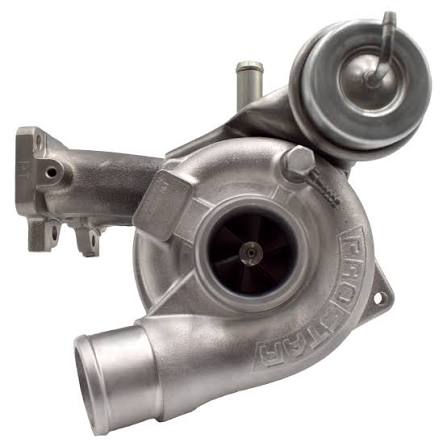
A water cooled turbo solves one of the most persistent complaints among Polaris RZR Turbo and Turbo S owners: the factory turbocharger’s tendency to run hot enough to trigger power-robbing heat soak, especially during sustained high-load riding in hot weather or slow technical terrain. Where the stock system leans heavily on oil circulation and a comparatively weak factory wastegate to manage boost and heat, a properly designed water-cooled turbo adds active coolant circulation through the turbo’s center housing — directly targeting the exact failure pattern RZR Turbo owners report most often.
This guide covers how a water-cooled turbocharger actually works on the Polaris RZR platform, why the factory system struggles with heat in the first place, what to check when evaluating a replacement or upgrade, and the common issues specific to this component. This is general technical and buying information for off-road vehicle maintenance and upgrades.
Why Turbocharger Cooling Matters So Much on the RZR Platform
A turbocharger operates at extremely high rotational speeds, spinning a turbine driven by hot exhaust gases to compress intake air through a connected compressor wheel on the same shaft. This process generates significant heat, concentrated specifically in the turbo’s center housing, where the shaft bearings live. Manage that heat effectively, and the turbo performs consistently; manage it poorly, and you get the exact symptom pattern RZR Turbo owners report constantly — heat soak, reduced sustained power, and accelerated wear on the turbo’s internal bearings and seals.
Off-road UTV use is a particularly demanding environment for turbo cooling specifically because riding conditions often combine sustained high load (climbing, deep sand, mud) with the kind of low forward speed that reduces airflow across cooling components — a combination that pushes heat management systems harder than typical on-road automotive use.
Oil-Cooled vs. Water-Cooled Turbo Systems
Understanding this distinction is the foundation of the whole topic.
- Oil-cooled only systems rely on the engine’s own oil circulation to manage heat in the turbo’s center housing. This is simpler and lighter, but oil alone has a harder time keeping bearing temperatures in check during sustained high-boost, high-heat conditions.
- Water-cooled (or oil-and-water-cooled) systems add a separate coolant circuit running through the turbo’s center housing, using the vehicle’s coolant system to actively pull heat away from the bearings even when the engine is under sustained load. This is the design most manufacturers — including aftermarket turbo specialists serving the RZR platform — now favor specifically because it keeps charge temperatures and internal turbo temperatures meaningfully lower during extended high-boost use than oil-only cooling can manage.
The core practical benefit of a properly implemented water-cooled turbo is straightforward: cooler sustained operating temperatures translate into more consistent power delivery over a longer ride and reduced long-term wear on turbo internals, compared to a system fighting heat with oil circulation alone.
Why the Factory Polaris Turbo System Runs Hot
Several documented factors combine to make heat management a known weak point on the stock RZR Turbo system:
- A comparatively weak factory wastegate. The wastegate regulates boost by diverting excess exhaust gas away from the turbine, but the stock actuator and spring are widely reported as under-built for sustained hard use — as the spring weakens with age and use, boost control becomes less consistent, which directly contributes to overheating under load.
- Intercooler and coolant line condition. The intercooler cools compressed air before it reaches the engine, and its performance (along with the condition of surrounding coolant lines) directly affects how much heat the system carries into and away from the turbo assembly.
- Riding conditions that stress the system. Sustained high-RPM operation in hot weather, or slow, technical terrain where airflow across cooling components is reduced, are specifically cited as conditions that push the stock system toward its overheating threshold.
- Coolant circulation faults. Damaged, leaking, or restricted coolant lines interfere directly with the turbo’s ability to shed heat, regardless of how well-designed the cooling circuit itself is — a genuinely clean, unobstructed coolant path matters as much as the cooling design.
What to Check on a Water-Cooled Turbo Before Buying or Installing
Whether you’re evaluating a replacement OEM-spec unit or an upgraded aftermarket water-cooled turbo, a few specific points are worth confirming directly.
Confirm Exact Model and Year Compatibility
Turbocharger and cooling system specifications differ across RZR Turbo generations and trims (XP Turbo, Turbo S, and their four-seat variants), and ECU/tuning compatibility can differ by model year as well — some model years use different oxygen sensor wiring configurations, for example, which affects which tuning options pair correctly with a given turbo. Always confirm the exact model year and trim against the specific turbo’s listed compatibility before purchasing.
Check the Wastegate Actuator Setup
Given how frequently the stock wastegate is cited as a weak point, confirm whether a replacement turbo includes an upgraded actuator and bracket set, and at what boost pressure it’s configured. Some replacement units are designed to run on the stock ECU/tune with a factory-spec wastegate crack pressure, while others require a higher-pressure actuator paired with specific tuning — mismatching these two can produce overboost fault codes even on an otherwise correctly installed turbo.
Verify Intake Compatibility
Larger-inlet water-cooled turbos frequently require a high-flow intake tube rather than the factory intake, since the factory tube may not physically fit over a larger turbo inlet. Confirm whether the specific turbo you’re considering requires a compatible aftermarket intake tube, and whether one is included or needs to be purchased separately.
Inspect Coolant and Oil Line Routing
Because a water-cooled turbo relies on both oil and coolant circulation, confirm that replacement or upgrade installation includes proper routing and connection of both line types — a turbo swap that leaves coolant lines improperly connected or blocked undermines the entire benefit of the water-cooled design.
Address the Root Cause, Not Just the Symptom
This is a frequently overlooked step in turbo replacement generally: if a turbo failed due to an underlying issue — contaminated oil, a coolant line restriction, a boost control fault — replacing the turbo alone without correcting that underlying condition risks damaging the replacement unit the same way. Verifying proper oil flow, inspecting the intake and exhaust systems, and confirming coolant circulation is unobstructed should happen alongside any turbo replacement, not as an afterthought.
Quick Reference: What to Verify Before Installing
| Check | Why It Matters |
|---|---|
| Exact model year/trim compatibility | Wiring, ECU type, and mounting can differ across RZR Turbo generations |
| Wastegate actuator pressure rating | Mismatched actuator/tune combinations can trigger overboost codes |
| Intake tube compatibility | Larger-inlet turbos often require a high-flow intake tube |
| Coolant and oil line routing | Both circuits must be properly connected for water-cooled design to function |
| Root cause of prior turbo failure | Replacing the turbo alone won’t fix an underlying oil/coolant/boost issue |
Common Symptoms of Turbo-Related Overheating on the RZR Platform
- Sudden loss of power, often triggering limp mode as the vehicle’s control system protects the engine from further heat-related damage.
- Visible oil around the turbo housing, sometimes accompanied by heavy smoke — commonly associated with worn seals inside a turbo that has been running hot for an extended period.
- Excessive play at the turbo’s exhaust side, a sign of internal bearing wear frequently linked to prolonged heat exposure.
- Overboost fault codes, which can point to a failing wastegate actuator rather than the turbo itself.
Frequently Asked Questions
What is a water cooled turbocharger and how does it work? A water cooled turbocharger uses active coolant circulation through the turbo’s center housing, in addition to or instead of relying solely on oil, to manage the extreme heat generated by the spinning turbine and compressor assembly. This keeps bearing and charge temperatures lower during sustained high-boost operation than an oil-only cooling design typically achieves.
Why does the Polaris RZR Turbo overheat? RZR Turbo overheating is commonly linked to a comparatively weak factory wastegate actuator whose spring weakens over time, along with intercooler and coolant line condition, and riding conditions like sustained high RPM in hot weather or slow technical terrain that reduce cooling airflow. Damaged or restricted coolant lines can compound the issue regardless of the underlying turbo design.
Is a water cooled turbo better than an oil cooled turbo? For sustained high-boost, high-heat conditions, a water cooled turbo generally manages temperatures more effectively than an oil-cooled-only design, since coolant circulation actively pulls heat from the center housing even under continuous load. This translates into more consistent power delivery and reduced long-term wear on turbo bearings during demanding off-road use.
What causes a Polaris turbocharger to fail? Common causes of Polaris turbocharger failure include prolonged overheating from wastegate or cooling system issues, oil contamination or restricted oil flow, and worn internal seals allowing oil into the exhaust or intake tract. Replacing a failed turbo without correcting the underlying oil, coolant, or boost control issue risks damaging the replacement unit the same way.
Do I need a special intake tube for a water cooled turbo upgrade? Often, yes — water-cooled turbos with a larger inlet diameter frequently won’t fit the factory intake tube, requiring a compatible high-flow aftermarket intake tube for proper installation. Always confirm intake compatibility requirements for the specific turbo model before purchasing.
Can I run a water cooled turbo on the stock ECU tune? Some water-cooled replacement turbos are specifically designed to run on the stock ECU with a factory-spec wastegate crack pressure, while higher-boost configurations typically require dedicated tuning to match a higher-pressure wastegate actuator. Running mismatched hardware and tuning combinations can trigger overboost fault codes even when installation is otherwise correct.
What are the signs my Polaris turbo is overheating or failing? Signs include sudden power loss or the vehicle entering limp mode, visible oil around the turbo housing accompanied by smoke, excessive play felt at the turbo’s exhaust side, and overboost fault codes. Any of these symptoms warrants inspection before continued hard use, given the risk of consequential damage from continued operation.
Final Takeaway
A water cooled turbo directly addresses the heat management weak point that defines much of the Polaris RZR Turbo’s known turbocharger issues — a factory system that leans on oil cooling and a comparatively weak wastegate, under riding conditions that regularly push both toward their limits. Whether replacing a failed factory unit or upgrading proactively, confirming exact model compatibility, wastegate/tuning pairing, intake compatibility, and proper coolant line routing — while also addressing whatever caused the original failure — is what separates a lasting fix from a repeat turbo failure down the line.
