

Blog
RZR XP Turbo Cylinder Head: What Every Owner Should Know

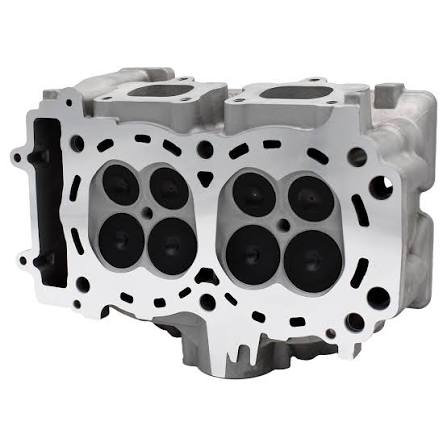
The RZR cylinder head on the XP Turbo platform has a well-documented, specific weak point that owner forums return to again and again: the exhaust valve guides. Unlike a generic “cylinder head problems” discussion that could apply to almost any engine, the XP Turbo’s issue is narrow and identifiable — premature exhaust guide wear that, left unaddressed, can progress from a minor compression loss to a catastrophic valve failure capable of destroying the head, cylinder, and piston in a single event.
This guide covers exactly what goes wrong with the RZR XP Turbo cylinder head, why the exhaust guides specifically are the recurring failure point, the symptoms that indicate a developing problem, and the repair paths owners actually use — from a targeted guide fix to a full head replacement.
Why the Exhaust Valve Guides Are the Focal Point
Across RZR owner forums, when cylinder head problems come up on the XP Turbo (and closely related XP 900/1000 platforms sharing similar architecture), the exhaust valve guides are named specifically and repeatedly as the component that goes bad. This isn’t a vague “the head wears out” story — it’s a targeted, well-known failure mode centered on the guides that keep the exhaust valve stems aligned and lubricated as they move.
Compounding the issue: the factory service documentation for at least one closely related platform explicitly states the valve guides cannot be replaced as a standalone repair — a design decision that shapes nearly every repair conversation about this component, since it removes the simplest, cheapest fix from the table for a factory-spec repair.
How Exhaust Guide Wear Progresses
Understanding the failure progression helps explain why this issue is worth catching early rather than ignoring early symptoms:
- Early guide wear allows slightly excessive valve stem movement within the guide, beyond the tight tolerance the design calls for.
- Increasing valve wobble during operation accelerates wear on both the guide and the valve stem itself, worsening the clearance over time rather than stabilizing.
- Valve seating problems can develop as wear progresses, since a valve that isn’t guided precisely doesn’t seat against the valve seat as consistently, affecting compression and combustion sealing.
- In severe, documented cases, valve heads have separated entirely from damaged guides during operation, dropping into the cylinder and causing catastrophic damage to the piston, cylinder wall, and head simultaneously.
That last stage isn’t a theoretical worst case — it’s a documented owner experience: a machine with only around 1,800 miles suffered a sudden power loss followed by severe engine noise, with teardown revealing two broken valve heads resting on a badly damaged piston, a cracked cylinder wall, and a destroyed head. This is precisely why guide wear is treated as a genuine reliability concern on this platform rather than a minor maintenance item.
Symptoms of Developing Cylinder Head/Valve Guide Problems
- Misfiring, sometimes intermittent at first, that can point toward compression loss in a specific cylinder.
- A sudden, unexplained loss of power, particularly if it resembles a brief rev-limiter cut before either recovering or progressing to more serious noise and further power loss.
- Zero or significantly reduced compression on a compression test for the affected cylinder — a definitive sign of a serious valve sealing problem.
- A leakdown test showing air escaping out the exhaust/tailpipe path, which specifically points to an exhaust valve sealing issue rather than a piston ring or head gasket problem.
- Unusual noise from the top end, sometimes accompanied by visible cam lobe wear adjacent to a damaged valve when the valve cover is removed for inspection.
Diagnosing the Problem: Compression and Leakdown Testing
A compression test is the standard first diagnostic step when misfiring or power loss suggests a valve or cylinder sealing issue — a cylinder reading zero or dramatically lower than its counterparts is a strong indicator of a serious internal problem, not a minor tune-up item. A leakdown test provides more specific information: air escaping audibly out the exhaust system during the test points directly to an exhaust valve sealing failure, distinguishing it from a piston ring issue (which would show air escaping into the crankcase) or a head gasket problem (which might show air escaping into an adjacent cylinder or the cooling system).
Repair Options: From Guide Fix to Full Head Replacement
Aftermarket Guide Solutions
Despite the factory position that guides can’t be replaced as a standalone repair, aftermarket and specialist solutions have emerged specifically targeting this failure point — some specialty shops and machinists offer guide replacement services using upgraded aftermarket guide material (Kibblewhite guides are a specifically referenced example), which requires precision work: guides must be pressed out and new ones pressed in, then reamed to correct size, followed by a valve seat cut to ensure proper alignment between the newly installed guide and the existing seat, and a complete valve job to finish the repair correctly.
Full Head and Related Components
In cases where damage has progressed beyond the guides themselves — into the valves, seats, springs, or the head casting — a broader rebuild becomes necessary. Owner cost reports for a comprehensive rebuild (new valves, guides, springs, seats, head, cylinder, pistons, rings, and related hardware) have been cited in the range of roughly $1,400–$1,500 in parts, a figure that becomes far more palatable when weighed against the alternative of repeated, partial repairs that don’t address the underlying guide wear.
Quick Reference: Repair Scope by Failure Stage
| Failure Stage | Typical Repair | Relative Cost |
|---|---|---|
| Early guide wear detected proactively | Guide replacement (specialist/machinist service) | Lower |
| Compression loss, valve sealing issue confirmed | Valve job with guide replacement, seat cut | Moderate |
| Valve failure with piston/cylinder damage | Full head, cylinder, piston, and hardware replacement | Highest |
Cam Timing and Valve Adjustment: Related Maintenance Worth Understanding
Because valve train health is closely tied to overall cylinder head condition, routine valve adjustment and correct cam timing matter as preventive factors:
- Valve clearance should be measured and adjusted using the service manual’s specified procedure, referencing cam position at the base circle for accurate results — measuring in millimeters is generally recommended to avoid unnecessary unit conversion when sourcing replacement shims/tappets.
- Cam sprockets carry intake (I) and exhaust (E) timing marks that must align correctly with the cylinder head surface at top dead center during reassembly — incorrect cam timing risks piston-to-valve contact, a much more serious and immediate form of engine damage.
- Aftermarket performance camshafts are generally not recommended for typical use on this platform specifically because they’re reported to accelerate wear on the valve bucket/tappet components significantly faster than stock cams, adding another wear vector on top of the guide issue this platform already contends with.
Turbo-Related Factors That Can Affect the Cylinder Head
Because the cylinder head sits directly downstream of turbo-related airflow and exhaust conditions, a few turbo-system issues are worth understanding as they relate to valve and head health:
- Turbo surge from a mismatched or improperly set blow-off valve can place additional stress on the entire top-end system, and has been specifically cited by owners as a contributing factor to shortened turbo and related component life when boost control isn’t properly configured.
- General turbocharger health — including wastegate function and cooling performance — affects the overall combustion and exhaust environment the cylinder head and valves operate in, making turbo system condition a genuinely relevant background factor in overall top-end reliability, not an entirely separate system.
Frequently Asked Questions
What causes cylinder head problems on the RZR XP Turbo? The most commonly cited cause is premature wear in the exhaust valve guides, which allows excessive valve stem movement, accelerates further guide and valve wear, and can progress to valve seating problems or, in severe cases, catastrophic valve failure. This is a specific, well-documented weak point rather than a generic head durability issue.
Can the valve guides be replaced on an RZR XP Turbo cylinder head? Factory service documentation for closely related platforms states valve guides cannot be replaced as a standalone repair, but specialist machinists and aftermarket solutions using upgraded guide material can press out and replace guides, followed by reaming and a valve seat cut to restore proper alignment. This is a precision repair best performed by an experienced machinist rather than attempted without the right tooling.
What are the symptoms of a failing cylinder head on a Polaris RZR? Symptoms include misfiring, sudden and unexplained power loss, zero or significantly reduced compression on a compression test, and a leakdown test showing air escaping specifically out the exhaust path. Unusual top-end noise and visible cam lobe wear near a damaged valve are also reported warning signs.
How much does it cost to fix an RZR XP Turbo cylinder head? Costs vary significantly by failure stage: proactive guide replacement alone is the least expensive option, while a full rebuild involving new valves, guides, springs, seats, head, cylinder, and pistons has been reported in the range of roughly $1,400 to $1,500 in parts. Catching guide wear early, before valve or piston damage occurs, keeps repair costs meaningfully lower.
Can a broken exhaust valve destroy the whole engine? Yes — in documented cases, exhaust valve heads have separated from worn guides and dropped into the cylinder, destroying the piston, cracking the cylinder wall, and damaging the head simultaneously in a single failure event. This is why exhaust valve guide wear is treated as a serious reliability concern rather than a minor maintenance item on this platform.
Should I install aftermarket performance camshafts in my RZR XP Turbo? Most experienced owners advise against it for typical use, since aftermarket performance cams are reported to significantly accelerate wear on the valve bucket/tappet components compared to the stock camshafts. Given the platform’s existing exhaust guide wear concern, adding an additional accelerated-wear component is generally considered an unnecessary risk for non-competition use.
How do I know if my RZR’s compression loss is a valve or a piston ring problem? A leakdown test helps distinguish the two: air escaping out the exhaust system points to an exhaust valve sealing problem, while air escaping into the crankcase typically indicates worn piston rings. This distinction is important because it determines whether the repair centers on the cylinder head and valve guides or the pistons and cylinder bore.
The RZR cylinder head on the XP Turbo platform has one specific, well-documented weak point worth understanding before it becomes a five-figure repair conversation: exhaust valve guide wear that can progress from minor compression loss to catastrophic valve failure if left unaddressed. Watching for early symptoms — misfiring, reduced compression, unusual top-end noise — and addressing guide wear proactively through a specialist repair is consistently cheaper and less disruptive than waiting for a full head, cylinder, and piston replacement after a valve failure event.
